Service
Cylinder Head Resurfacing
A flat, gasket-ready head face that seals to the block. Inspected, resurfaced, and QC'd in-house.
Overview
What this service delivers
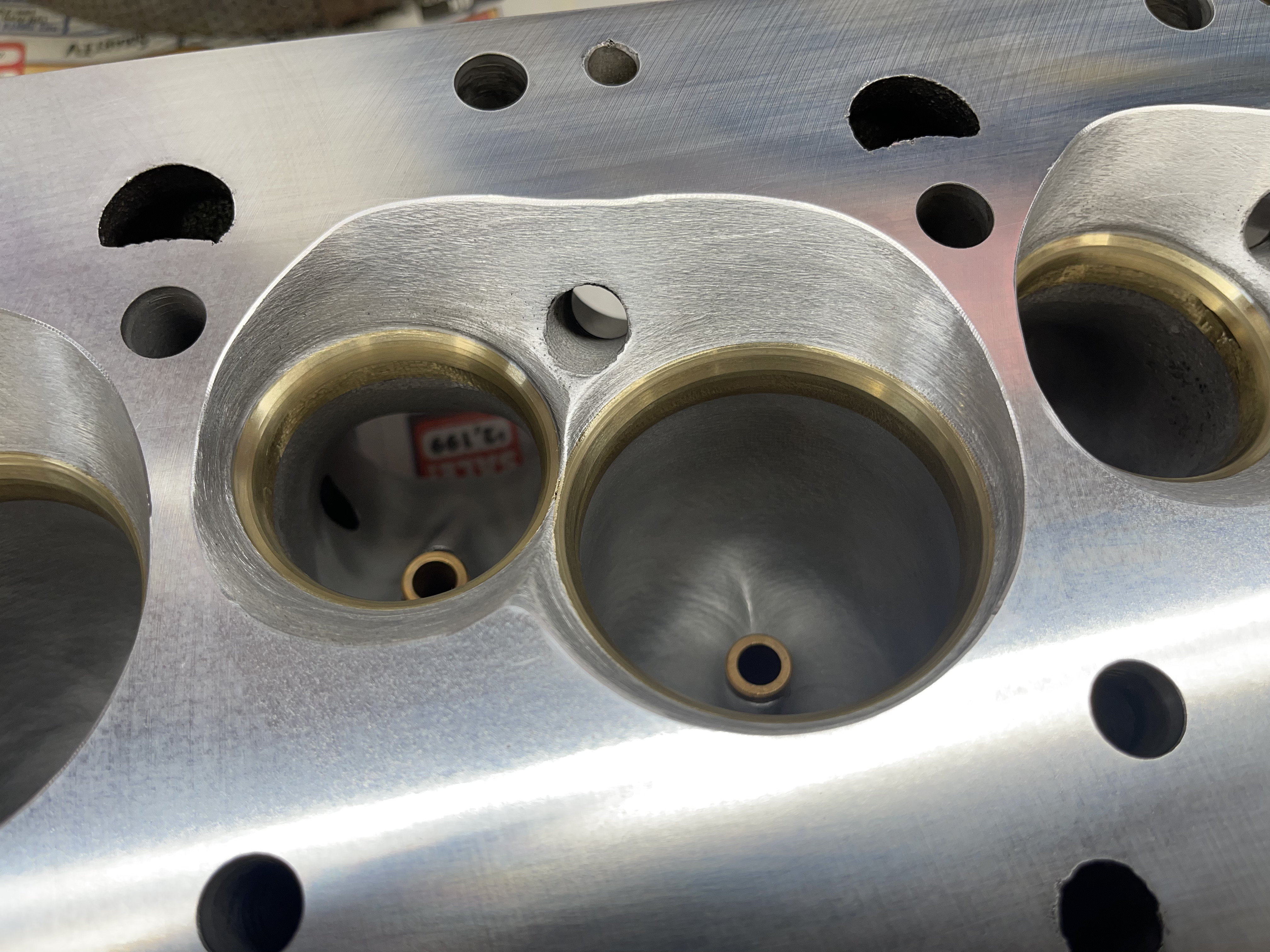
Cylinder head resurfacing at Paul Ferreira Racing Engines restores the gasket face so the head seals evenly to the block. Paul inspects the sealing surface, resurfaces it with controlled material removal, verifies flatness, and sets the surface finish for your gasket package. The head does not leave the machine until final QC confirms it is ready to seal under racing clamp loads and heat cycles.
Key Facts
- Gasket face inspected before machining
- Controlled resurfacing for a true sealing plane
- Flatness verified after the cut
- Surface finish matched to gasket type
- Final QC before the head moves on
- Performed entirely in-house
Scope of Work
What's Included
Inspection
The head gasket face is inspected for flatness, previous machining, and surface damage before any cut is made.
Resurfacing
The sealing surface is resurfaced to restore a true plane with controlled material removal suited to the head and gasket strategy.
Flatness Verification
Flatness is re-checked after machining so the head will seal evenly against the block deck under clamp load.
Surface Finish
Finish is optimized for the gasket type in use — including finishes appropriate for MLS — not left at a rough mill texture.
Final QC
A final quality check confirms flatness and finish before the head is released for assembly or further head work.
Why It Matters
The seal between head and block has no margin
Combustion pressure and thermal cycling attack the head gasket from both sides. If the head face is not flat, or if the surface finish fights the gasket design, the seal fails — often first as a subtle leak, then as a blown gasket or a washed bore.
Resurfacing gives the gasket a true, consistent clamping surface. That requires measuring warpage, cutting only what is needed, and finishing to a roughness the gasket can actually seal against. A rough face or an uneven plane will show up under load even if the head looks fine on the bench.
Material removed from the head also changes chamber volume. Paul accounts for that in the machining process so compression and quench decisions later in the build are not based on outdated assumptions.
A verified head face is one half of a reliable combustion seal. The other half is a deck that has been held to the same standard.
Heads come to Fort Myers when the gasket face has to be flat, finished for the package, and verified — not milled and hoped for.
The Process
Paul's Process
- 01
Inspect
Gasket face flatness and condition evaluated.
- 02
Resurface
Controlled cut restores a true sealing plane.
- 03
Flatness Check
Post-machine flatness verified across the face.
- 04
Finish
Surface finish set for the gasket package.
- 05
Final QC
Head released only after flatness and finish pass.
The Standard
Why Paul Ferreira
Both Halves of the Seal
A flat block deck and a warped head still leak. Paul resurfaces heads to the same sealing standard he applies to block decks — measured, finished, and verified.
Finish That Matches the Gasket
The head face is finished for the gasket that will clamp it, not for whatever the last job used. MLS and composite packages get the surface they need.
Controlled Cuts
Every cut changes chamber volume and compression. Paul removes what is required to restore the seal and keeps the work accountable to the build.
Ready for the Next Step
Whether the head goes on to a valve job, porting, or straight to assembly, it leaves resurfacing with a documented, gasket-ready face.
Need the head face sealed right?
Bring the head and the gasket details. Paul will resurface for flatness and finish — then QC it before it leaves the stand.