Service
Cylinder Head Porting
Bowls, throats, chambers, and intake matching — optimized for your combination. Not extreme porting for a flow-bench headline.
Overview
What this service delivers
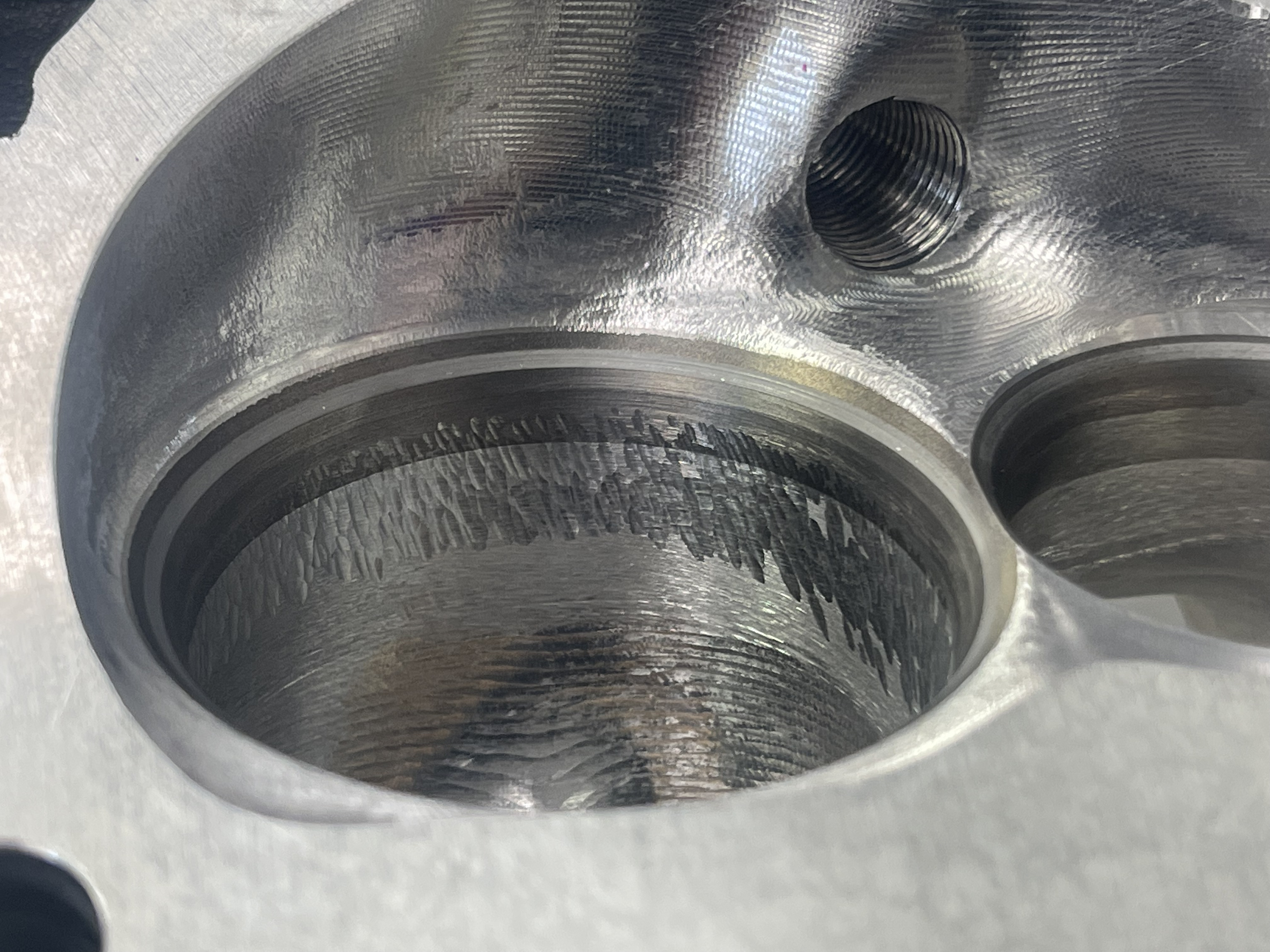
Cylinder head porting at Paul Ferreira Racing Engines is practical, combination-driven work. Paul does not do extreme porting for its own sake. He optimizes bowls, throats, combustion chambers, and intake matching so the head flows where your cam and RPM range need it — without giving away mid-range or velocity for a peak number that never shows up on track. That approach is deliberate, and it is how the work earns trust.
Key Facts
- Bowl and throat work matched to the combination
- Chamber blending for consistency
- Intake manifold matching included
- Flow optimized for usable powerband — not extreme ports
- Guided by application, cam, and RPM goals
- Performed in-house by Paul
Scope of Work
What's Included
Chamber Blending
Combustion chambers are blended for consistent volume and clean transitions — supporting flame travel without chasing unnecessary chamber volume changes.
Bowl Work
Bowl shaping under the valves is refined to improve flow where it matters for your cam and RPM range — not hogged out for a peak CFM number.
Throat Sizing
Valve throats are sized to the combination. Bigger is not always better; Paul sizes for velocity and the powerband you actually race in.
Intake Matching
Intake ports are matched to the manifold so the transition is clean. No steps, no mismatch left to disrupt flow at the flange.
Flow Optimization
Port work is aimed at usable flow for the engine's intended RPM and induction package — practical gains, not extreme porting that kills mid-range.
Why It Matters
Porting should serve the engine, not the bench
It is easy to remove metal from a cylinder head. It is harder to know where removal helps and where it hurts. Extreme porting can raise a peak flow number while killing port velocity, hurting mid-range, and making the engine harder to drive — or less competitive in the class it actually races.
Paul's approach is the opposite of that temptation. He focuses on bowls, throats, combustion chambers, and intake matching — the areas that clean up transitions and support the combination — without turning the ports into something the rest of the engine cannot use.
That restraint matters. A head that is honest to the cam, the intake, and the RPM range will make more usable power than a head that only looks impressive on a flow bench. Customers hear that directly from Paul, and it is why the work carries confidence.
The result is a ported head that belongs on a race engine — not a showpiece that needs a different cam, a different manifold, and a different powerband to make sense.
Racers bring heads to Fort Myers when they want usable flow for their combination — not an extreme port job that only looks good on a flow bench.
The Process
Paul's Process
- 01
Evaluate
Head, cam, and application reviewed before metal is moved.
- 02
Bowl & Throat
Bowl work and throat sizing matched to the combination.
- 03
Chambers
Chamber blending for consistency and clean transitions.
- 04
Intake Match
Ports matched to the intake manifold flange.
- 05
Optimize
Final shaping checked against the powerband goal.
The Standard
Why Paul Ferreira
Not Extreme for Its Own Sake
Paul does not chase maximum port volume or a trophy flow-bench number. He optimizes bowls, throats, chambers, and intake matching for the engine you are racing — which is why the work holds up on the track, not just on a bench.
Matched to the Combination
Port work is useless if it ignores the cam, intake, and RPM range. Paul shapes the head around the package, so velocity and powerband stay honest.
Confidence Through Restraint
Knowing what not to cut is part of the craft. That restraint is why customers trust the result — the head still works where they race, not only at peak lift on a flow bench.
Same Builder, Same Standard
Porting happens in the same shop that machines and assembles engines. Decisions about bowls and throats are made by someone who also sets clearances and builds the short block.
Ready to talk about your heads?
Bring the heads, the cam details, and the RPM range you race in. Paul will tell you what to optimize — and what to leave alone.