November 22, 20256 min read
Why Precision Machining Matters
By Paul Ferreira
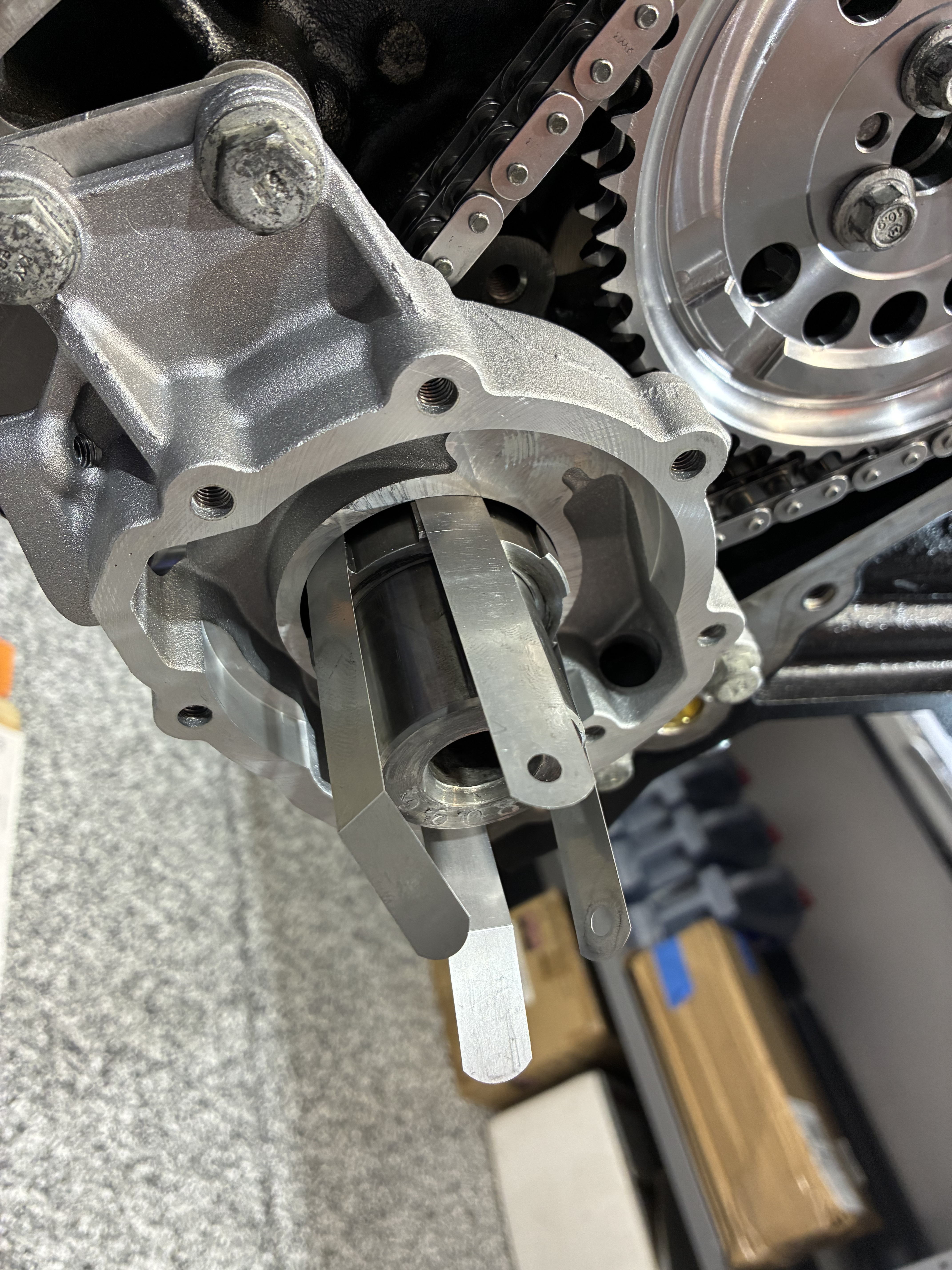
Performance parts get most of the attention. Machine work gets treated like a commodity line item. That imbalance is how people end up with expensive rotating assemblies in blocks that were never truly straight, flat, or round. Precision machining is not about making chips for their own sake. It is about establishing geometry the rest of the build can trust.
Geometry Is the Hidden Power Part
Bearings want aligned mains. Rings want round, straight bores. Head gaskets want flat decks. Valves want concentric seats. None of those outcomes come from torque wrenches alone. If the references are wrong, clearances wander and loads concentrate where they should not. The failure then gets blamed on a part brand instead of the geometry underneath it.
I measure before I cut. That sounds obvious, but shops that quote machine work by the operation without inspecting the block are selling a menu, not a plan. A deck cut on a block that needed line work first is not precision — it is activity.
Tolerance Stacks Add Up
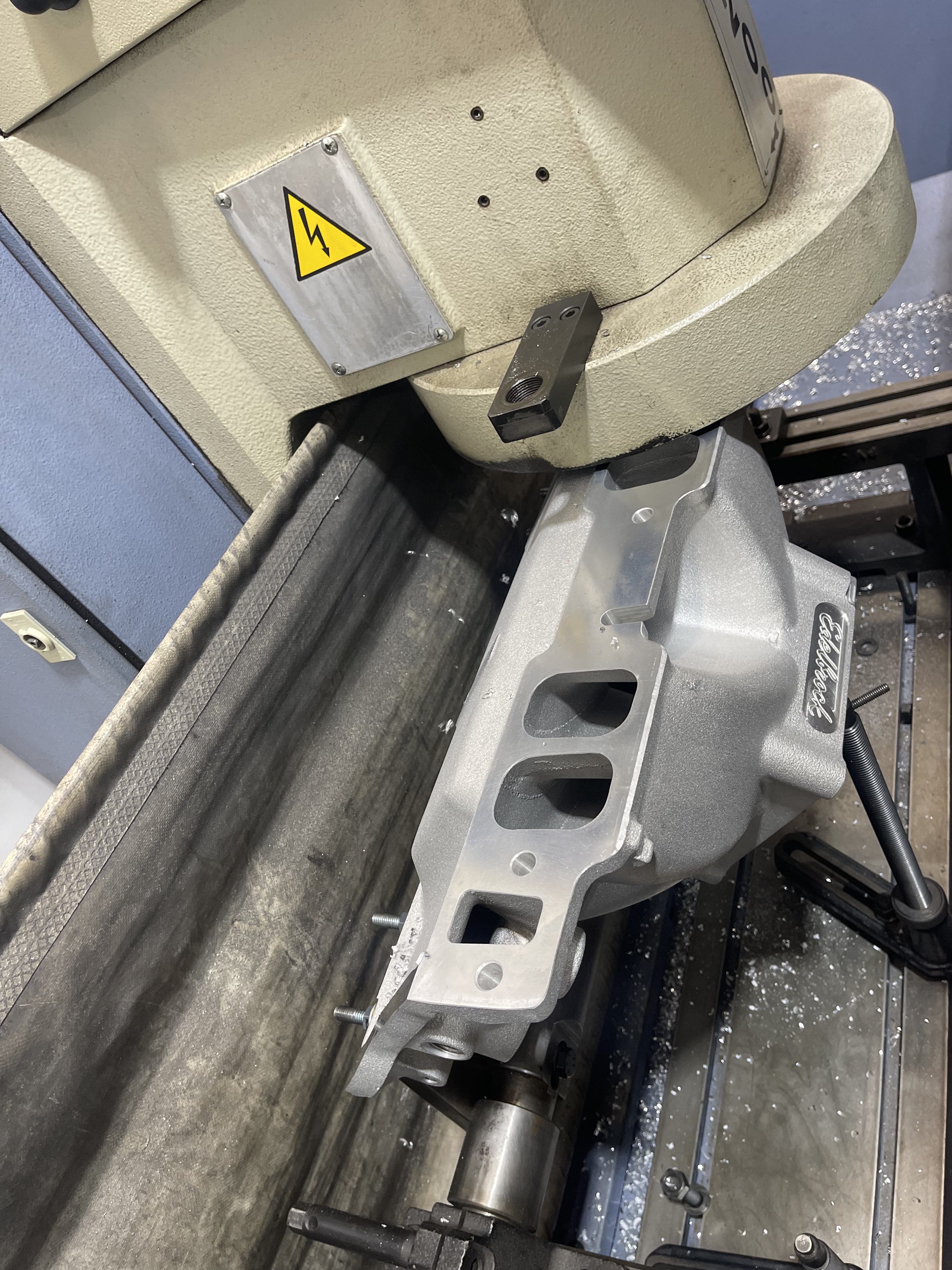
Every dimension has a tolerance. Stack enough near-misses and the engine is out of the window even if no single measurement looks catastrophic. That is why I care about process control: clean datums, sharp tooling, verified setups, and numbers written down after each step. Precision is a habit, not a single good pass on one bore. It is also why I resist machining from memory or from a previous engine that only looked similar.
It also matters who does the work and on what equipment. Machines that are worn or poorly maintained will not hold the finishes and sizes a race engine needs. I keep the equipment I trust in-house for that reason — so the person who measured the block is accountable for what comes off the machine.
Inspection Culture Beats Guesswork
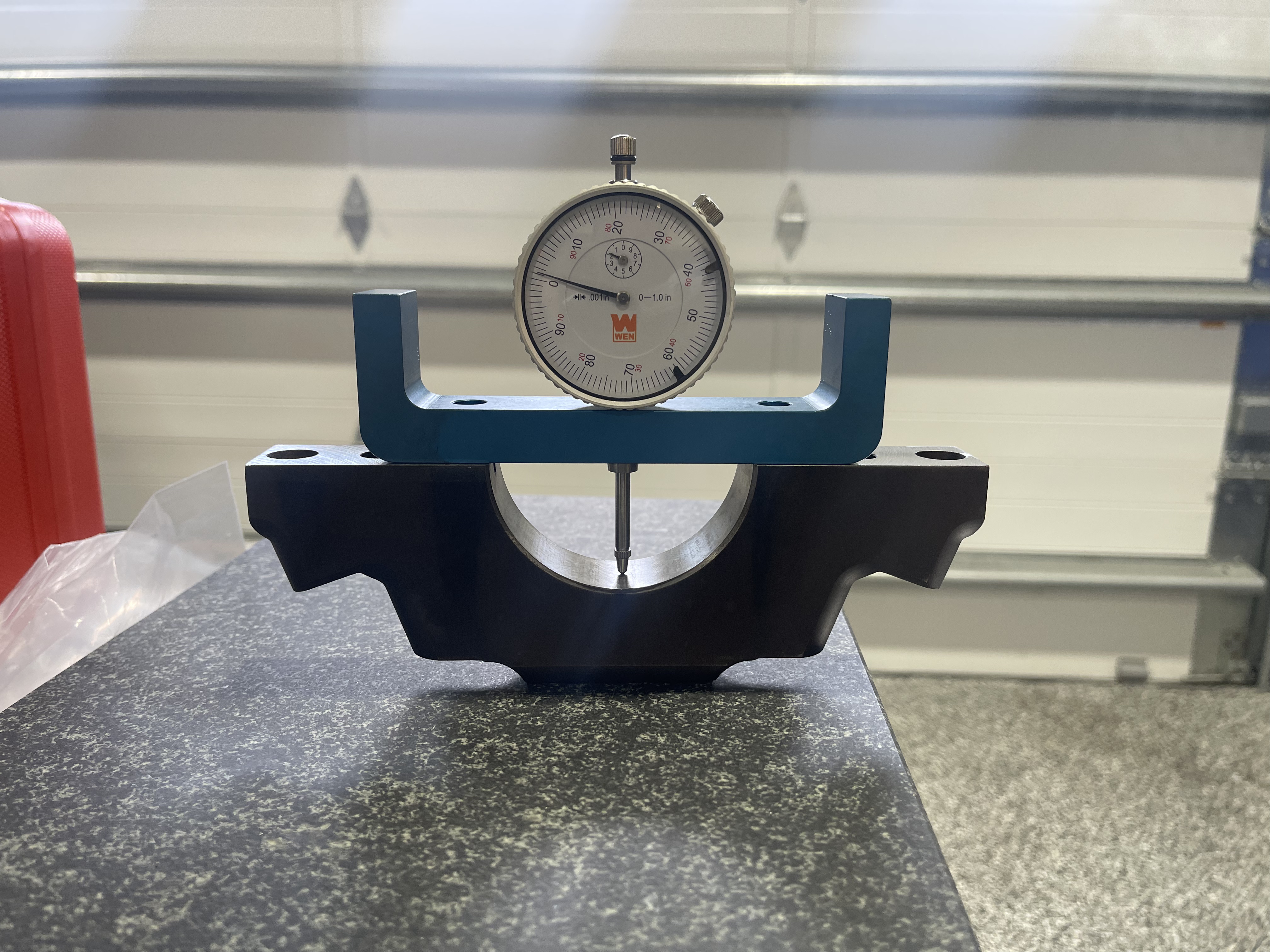
Precision machining starts before the cutter touches metal. Cleaning, crack checks where appropriate, and recording as-received dimensions keep you from machining a scrap block into a prettier scrap block. I would rather tell an owner the block is done than spend their money making bad iron look finished. That honesty is part of precision work too.
The same culture applies to verifying after the cut. Size and finish checks are not optional paperwork. They are how you know the next assembly step can proceed. A shop that cannot show you what changed has not finished the job in my book.
What Precision Buys You in Use
Engines with sound machine work break in more evenly, hold oil control longer, and give clearer diagnostic signals when something else goes wrong. Engines with sloppy machine work can make power for a while and then invent problems that parts swapping never solves. Precision machining is reliability insurance you buy before the first fire-up — quieter operation is nice, but bearing life and gasket integrity are why it matters.
If you need block and head machine work handled as measured shop work rather than a checklist of cheap operations, that is what my machine shop services are for — geometry you can assemble against.