May 28, 20267 min read
Why Cylinder Honing Matters for Ring Seal
By Paul Ferreira
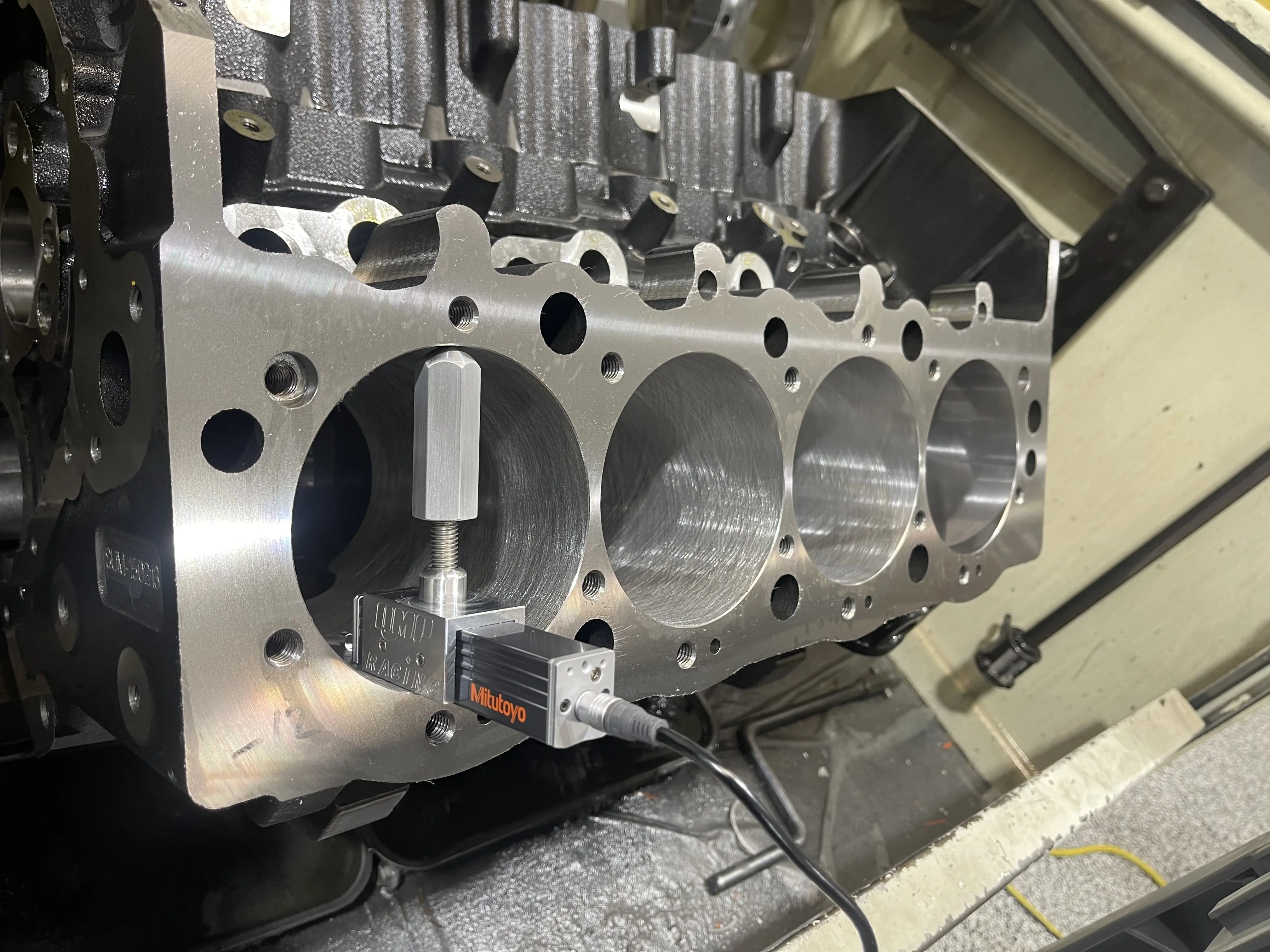
Blow-by, oil consumption, and soft cylinder pressure get blamed on rings more often than they should. Rings can only seal against the bore they are given. If that bore is tapered, out of round, or finished for a different ring design, no brand-name ring set will save the build. Honing is where geometry and surface finish either support seal — or quietly undermine it.
Geometry Comes Before Crosshatch
Before stones touch a cylinder, I measure diameter, taper, and out-of-round. A fresh-looking crosshatch on a tapered bore is still a tapered bore. The ring face cannot maintain consistent contact if the wall moves away from it as the piston travels. Correcting geometry first is not pedantic — it is the only way the later finish pass means anything.
Roundness and straightness also affect how oil is controlled. An out-of-round bore leaves the oil ring fighting uneven pressure around the circumference. That shows up as consumption, fouling, or both. Pretty hatch patterns do not fix that problem.
Surface Finish Has to Match the Rings
Different ring packages want different plateau and crosshatch characteristics. A modern thin low-tension race ring does not want the same finish as an older thick cast ring package. Oil strategy matters too. Over-rough finishes chew rings and raise friction. Over-smooth finishes can slow break-in and hurt oil control. The finish has to be intentional for the rings that will actually go in the engine.
I hone to a target size and document the final bore diameters. Those numbers feed ring end-gap decisions at assembly. Guessing end-gap from a catalog without knowing what the bore really measures is how people end up with gaps that are too tight when hot or too open to seal well.
What Goes Wrong When Honing Is Rushed
Rushed honing usually shows up later as inconsistent leak-down between cylinders, early ring wear, or oil use that never settles after break-in. Sometimes the bore was sized correctly in the middle and forgotten at the top or bottom. Sometimes a previous shop left a glaze and a light hone was sold as a refresh when the geometry was already gone. In boosted or nitrous combinations, those shortcuts show up even faster because cylinder pressure exposes every weak seal.
I also see engines where the deck was cut after the cylinders were finished. That changes how the bore sits relative to the head gasket and can leave a ridge or a mismatch that rings never like. Sequence matters. Honing belongs in the right place in the machine plan, not as an afterthought after someone already ordered pistons to a guessed size.
Oil Control and Ring Package Reality
Honing for ring seal also means thinking about how the oil ring will scrape and how the compression rings will seat. A finish that looks aggressive under a light can still be wrong for a low-tension package. I would rather explain why a bore looks the way it does than hand back a generic crosshatch that photographs well and seals poorly.
How I Judge a Good Bore
A good bore is round and straight at the target size, with a surface that matches the ring and oil strategy, and with numbers written down for whoever assembles the engine. That is the standard I hold myself to. Anything less is hoping the rings will compensate — and rings are not magic. When those numbers travel with the block into assembly, end-gap and clearance decisions stop being guesses.
If your block needs bores brought back to true geometry and finished for a specific ring package, that is the kind of measured cylinder honing I do here — geometry first, finish second, documented sizes for assembly.