June 12, 20268 min read
What Goes Into a Complete Engine Build
By Paul Ferreira
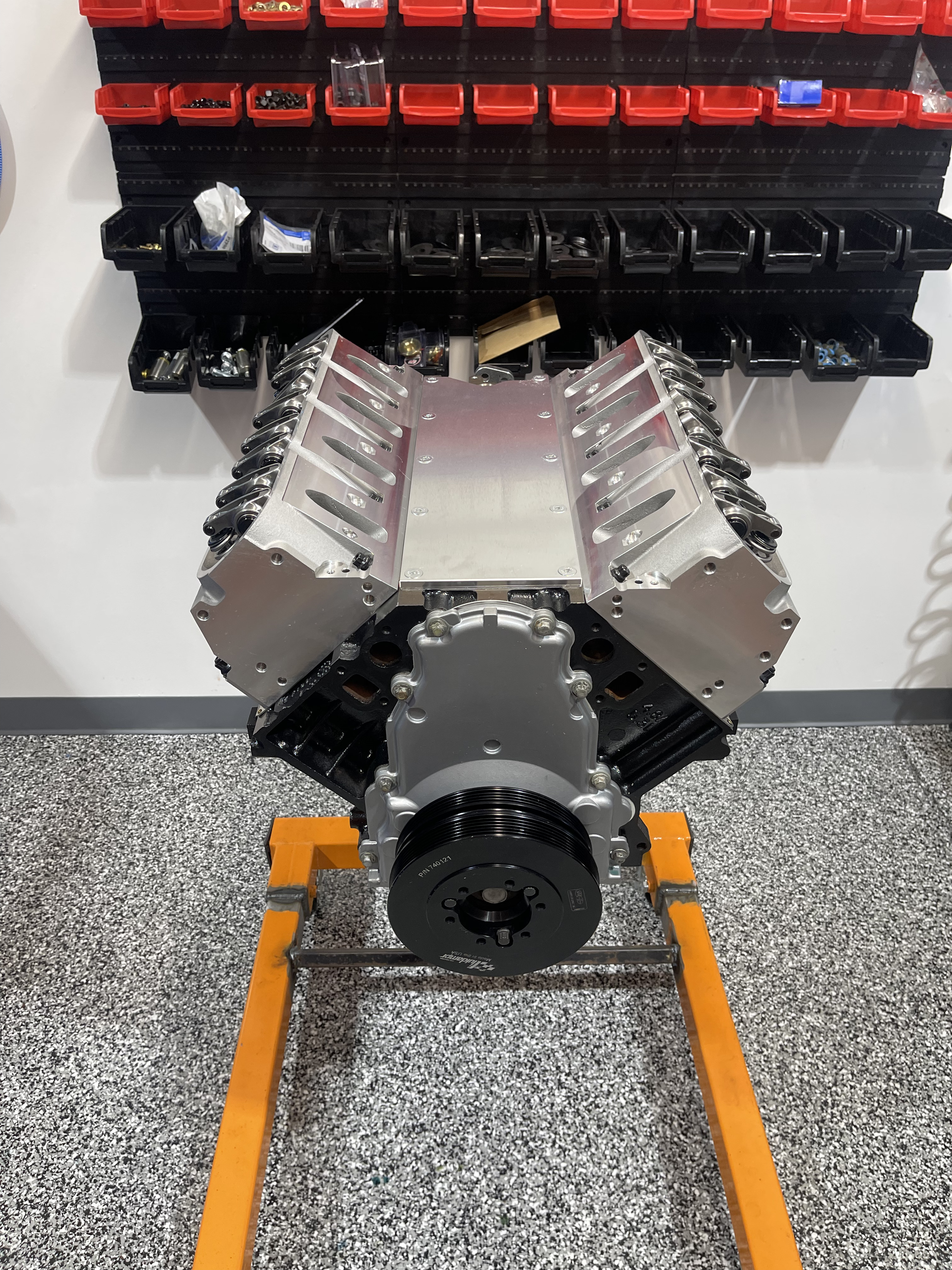
People often ask what separates a complete engine build from a parts swap with fresh gaskets. From where I stand, the difference is measurement and sequence. A pile of good components in a block that was never checked for main alignment, deck condition, or bore geometry is still a gamble. The build process I use starts with data, then machining, then assembly against documented clearances — not against hope.
Why Inspection Sets the Entire Plan
Every block that comes in gets cleaned and inspected before I commit to a machine path. I look for cracks, previous machine work, and how the decks and mains actually sit today. Bore diameters, taper, out-of-round, main bore alignment, and deck height get recorded. Those numbers decide whether we are correcting geometry, refreshing surfaces, or both. Assumptions from a previous shop ticket do not override what the micrometer says.
The same discipline applies to the rotating assembly. Journals, rods, pistons, and rings are measured against the clearances the application needs. If a crank needs grind work or a piston needs a different bore size, that decision belongs early — not after half the short block is already together.
Machining Sequence Matters
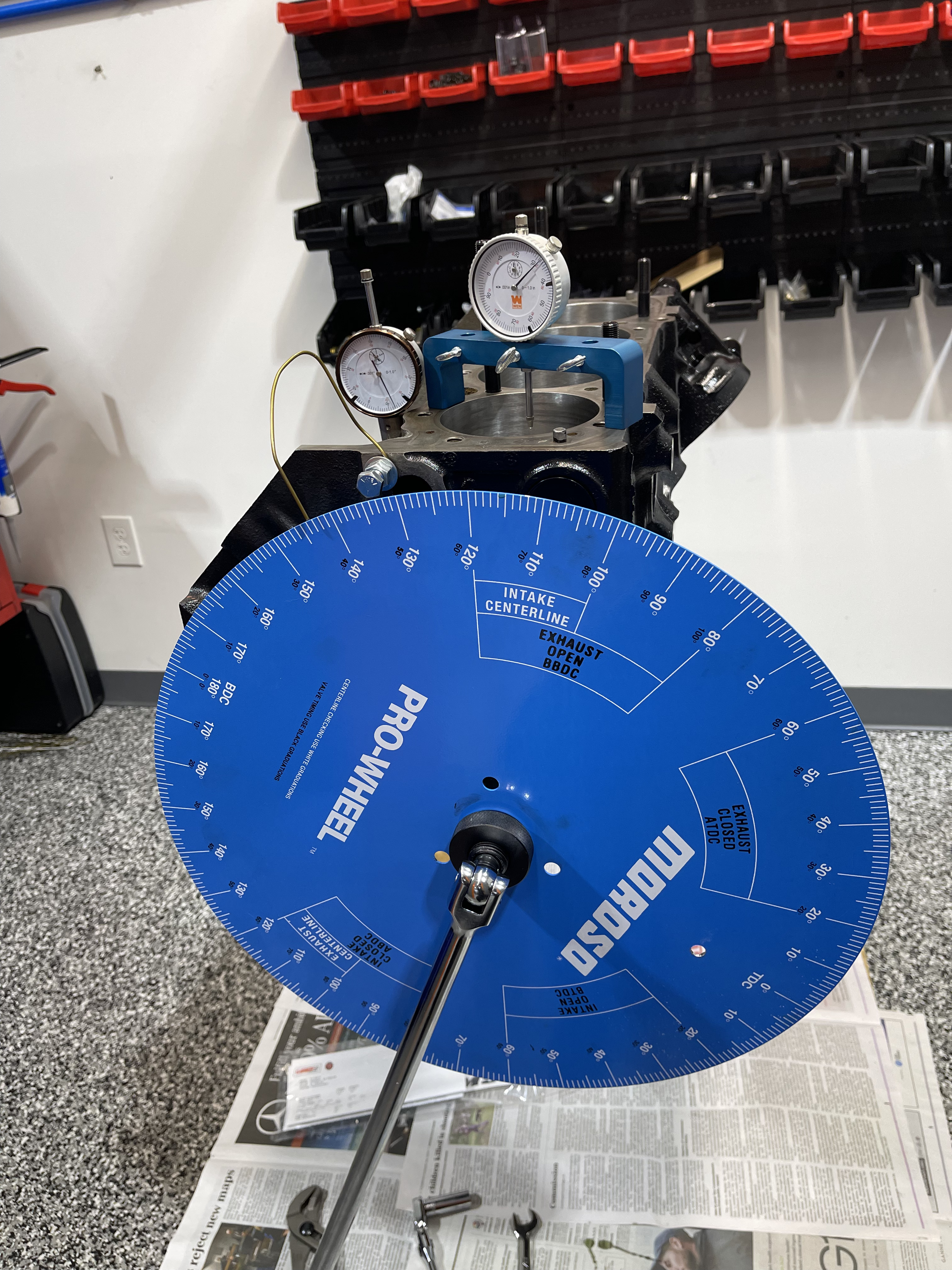
Once the plan is clear, the block work follows a logical order. Line work and deck work establish reference geometry. Cylinder honing finishes the bores to size and surface for the ring package that will actually go in. Skipping steps or reversing the order to save time is how you end up chasing a bore that was finished before the deck was corrected, or a main bore that no longer matches the crank after something else moved.
I do this work in-house on equipment I maintain and trust. That matters because the person who measured the block is the same person cutting and honing it. Handoffs between shops introduce translation errors. A complete build benefits from one set of eyes from bare block through final assembly.
Blueprinting, Balance, and Assembly
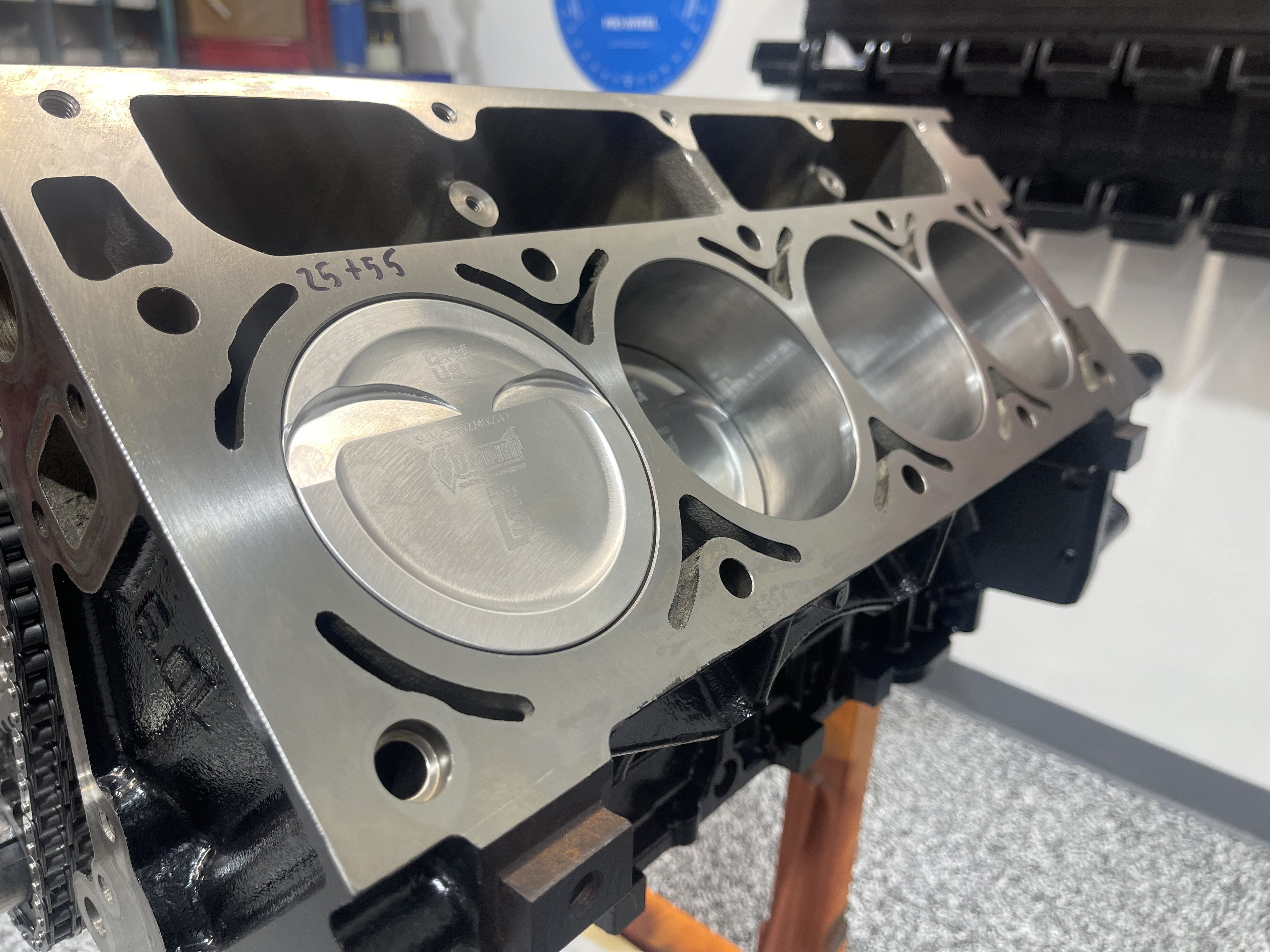
With the block ready, the rotating assembly gets blueprinted and balanced. Clearances are set and written down — bearing oil film, ring end-gap, piston-to-wall, valve-to-piston where it applies. Heads receive the same attention: seat work, spring setup matched to the cam, and checks that confirm the valvetrain will live at the rpm the engine will see.
Assembly is slower than people expect when it is done correctly. Torque sequences, fastener prep, and cleanliness are not optional theater. Contamination and rushed torque are as damaging as bad machine work. I would rather spend another hour on the stand than explain a spun bearing that came from a shortcut.
Oil, Break-In, and the First Hours
Even a well-machined engine can be hurt in the first hours if break-in oil, ring seating procedure, or cooling discipline are ignored. I talk through that with the owner because machine work and assembly only create the opportunity for a good seal — operating habits finish the job. A build sheet helps here too: you know what ring package and finish you are seating.
What Leaves With the Engine
A finished build should leave with more than a pretty dress-up package. I want a build sheet that reflects real numbers from this shop: bore sizes, clearances, spring pressures, and the machine steps that were done. That document is how you maintain the engine later and how you know what changed if something goes wrong. It is also how a future cam or ring change stays honest instead of starting from memory.
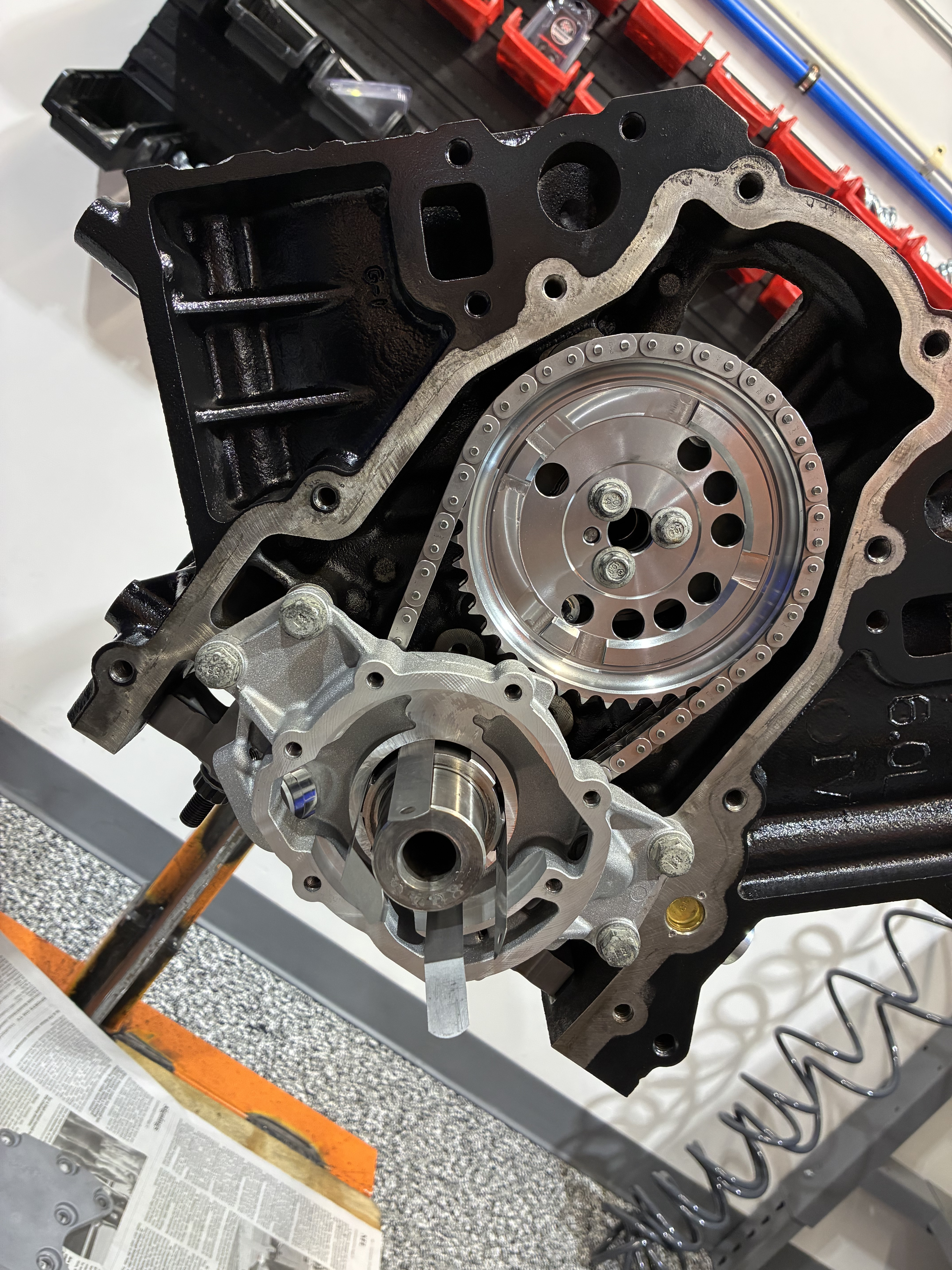
If you are weighing a full rebuild or a fresh race engine and want that measured approach from start to finish, look at how I handle complete engine builds — one builder, documented clearances, and a plan driven by inspection rather than parts catalogs alone.