January 8, 20267 min read
Valve Jobs vs. Porting: What Each Actually Does
By Paul Ferreira
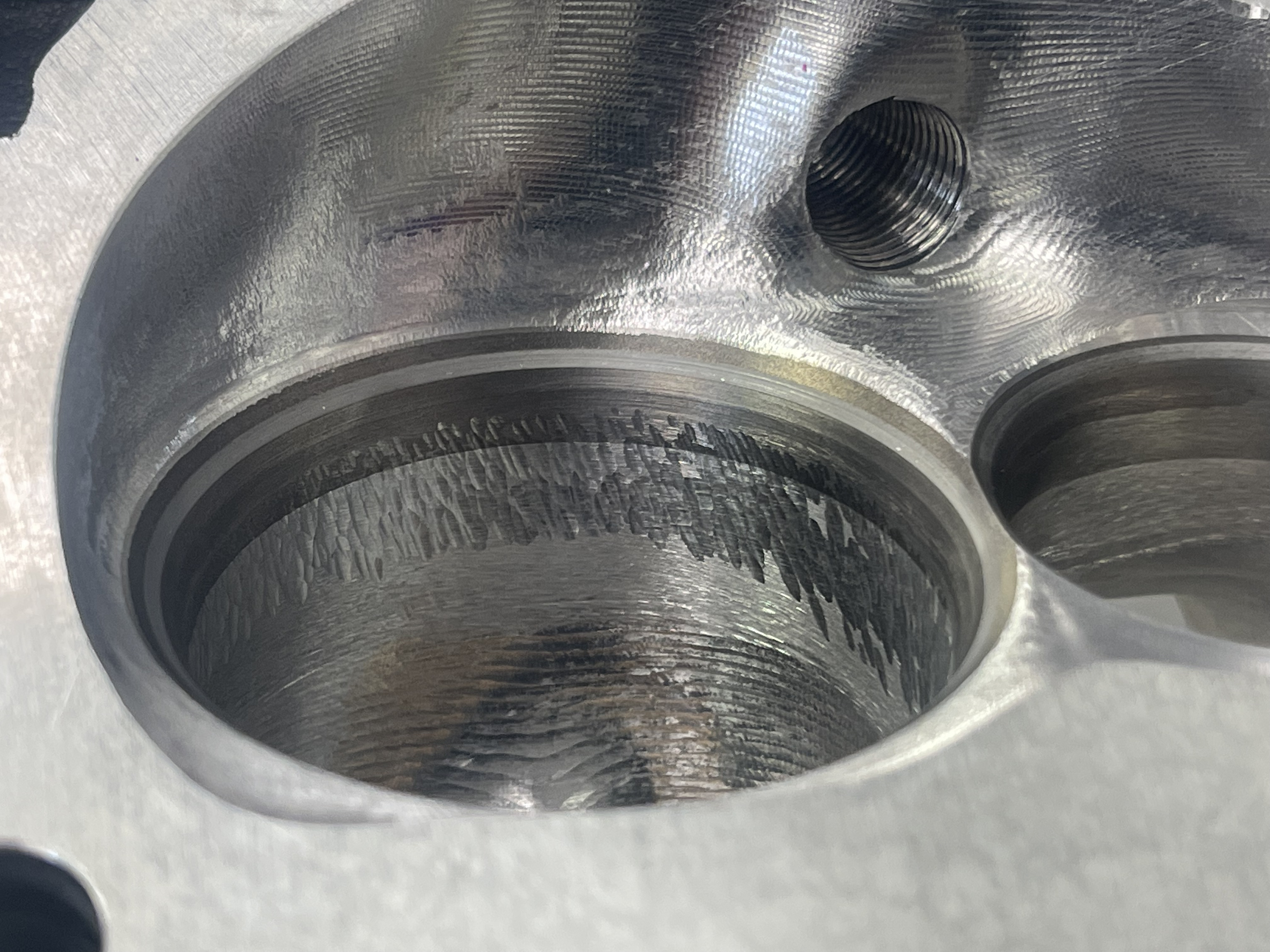
I get asked whether someone needs a valve job or porting as if those were two brands of the same service. They are not. A valve job is about how the valve meets the seat and how the valvetrain is set up to control that valve. Porting is about shaping the runners and chambers so air moves more efficiently. Confusing them leads to spending money on the wrong problem.
What a Valve Job Fixes
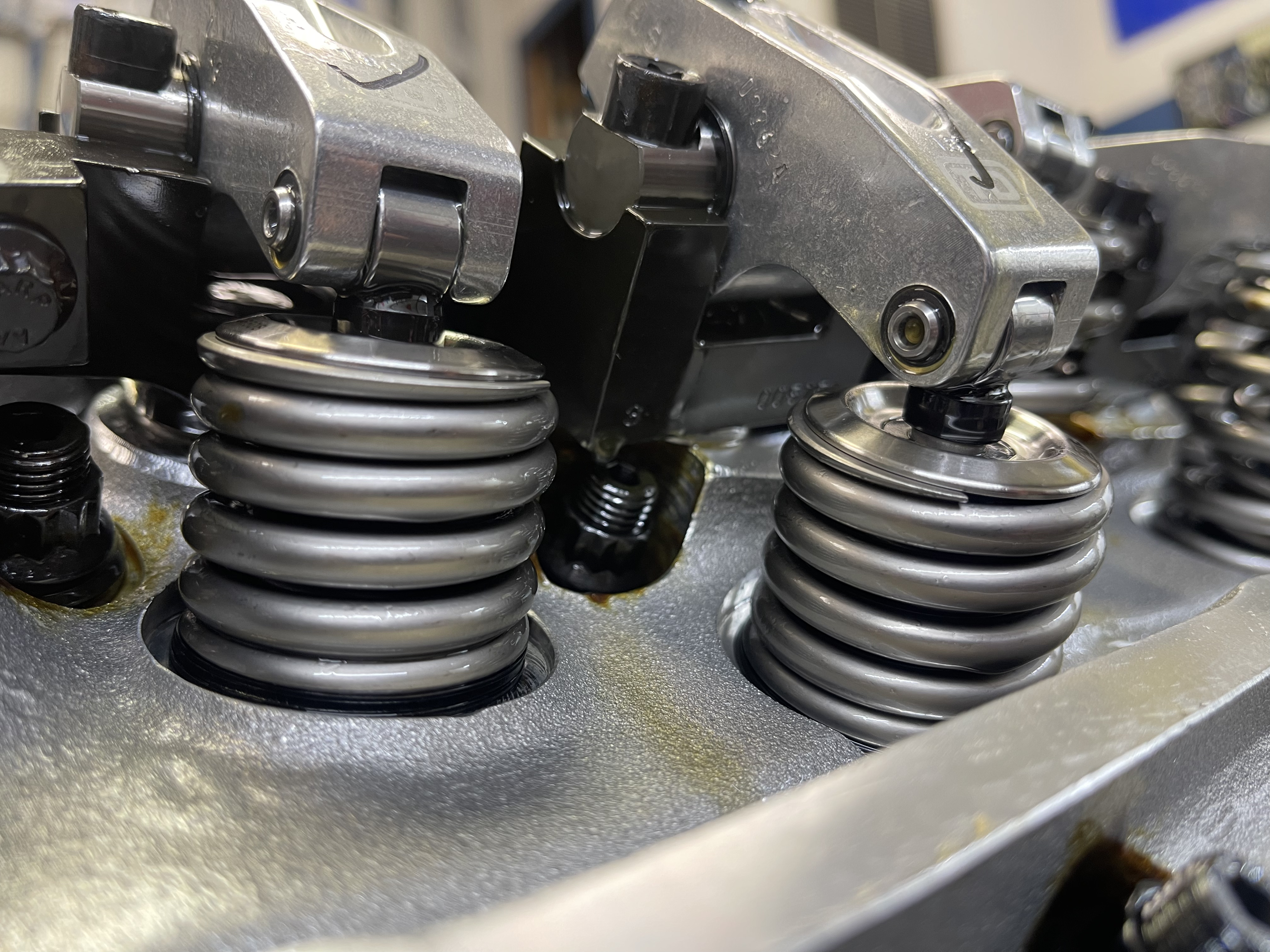
A performance valve job restores or improves seating quality, concentricity, and contact geometry. It addresses seal, heat transfer at the seat, and the transition right at the valve. Spring setup belongs in that conversation because a sealed seat still fails if the valve floats. When leak-down is uneven, seats are tired, or a cam change demands new spring pressures, the valve job is the right tool.
A valve job will not fix a runner that is the wrong shape for the power goal. It can help flow in the seat region, but it is not a substitute for reshaping ports.
What Porting Changes
Porting alters cross-section, short-side radius, bowl blend, and sometimes chamber shape so the head flows and velocity better for the intended rpm range. Done well, it is measured and purpose-driven — not polished for appearance. Done poorly, it can hurt velocity, raise reversion, or thin walls. Porting answers airflow and efficiency questions that seat angles alone cannot.
If you want to understand the porting side in more depth, my cylinder head porting work is aimed at those airflow goals. The important point for this comparison is simple: porting and valve jobs solve different constraints on the same head.
When Both Belong Together
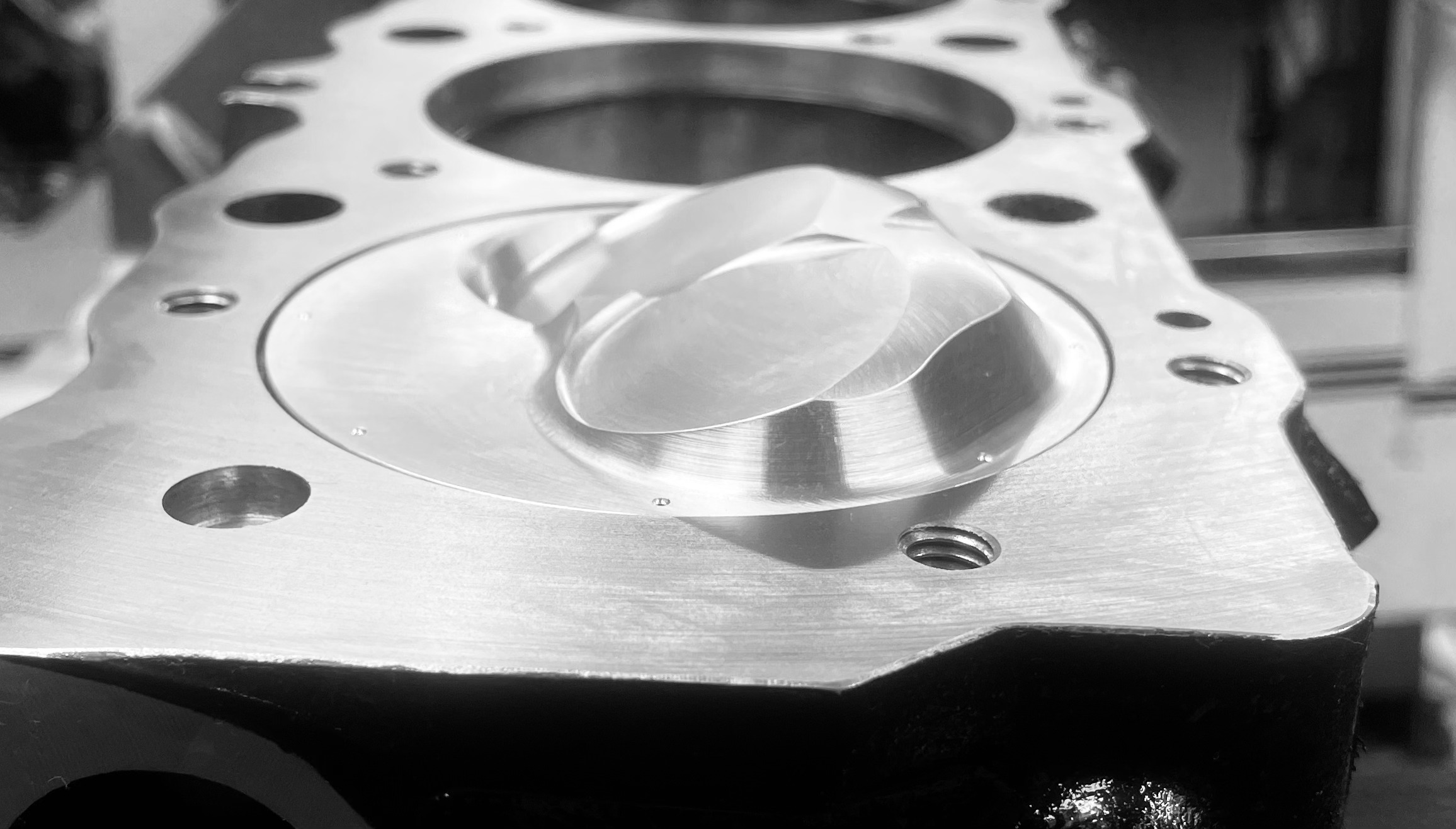
Serious performance heads usually need both, coordinated. You do not want aggressive bowl work fighting a seat that was never recut for the new throat. You also do not want beautiful ports on valves that leak. The clean approach is a plan: airflow goals, seat and valve package, spring package for the cam, then verification that the head seals.
Budget and goals decide priority. A tired street head that mostly needs to seal again may only need a valve job. A race combination chasing a powerband may need porting and a full seat and spring setup. Start from the symptom and the power goal — not from whichever service sounds more impressive.
A Practical Decision Order
When a customer is unsure, I start with symptoms and goals. Poor leak-down, burned seats, or a cam change points toward valve job and spring work first. A power goal that the stock ports clearly cannot support points toward porting — usually planned with seat and throat work so the head remains a coherent piece. Looking at flow benches and seat gauges as competing sales tools misses the point; they answer different questions.
If your immediate need is seal quality, concentricity, and spring setup matched to the cam, start with a high-performance valve job. If the airflow path itself is the limit, porting enters the conversation — often alongside that seat work, not instead of it. You can read more about the airflow side under cylinder head porting when that is the constraint you are trying to move.
Frequently Asked Questions
Do I need a valve job if I am porting the heads?
Often yes. Porting changes the path to the valve; a valve job sets how the valve seals and how the seat and throat transition work together. Doing heavy port work without addressing seats and concentricity leaves performance and reliability on the table.
Can a valve job replace porting?
No. A good valve job improves seal, seating quality, and often some flow near the seat, but it does not reshape runners the way porting does. If the goal is meaningful airflow gains through the ports, you need port work — not seat cuts alone.
Which should come first — porting or the valve job?
In practice the plan is coordinated. Major porting and throat work are established with the seat and valve package in mind, then the final seat geometry and spring setup are finished so the head seals and the valvetrain is correct for the cam.