August 18, 20256 min read
How Engine Balancing Improves Reliability
By Paul Ferreira
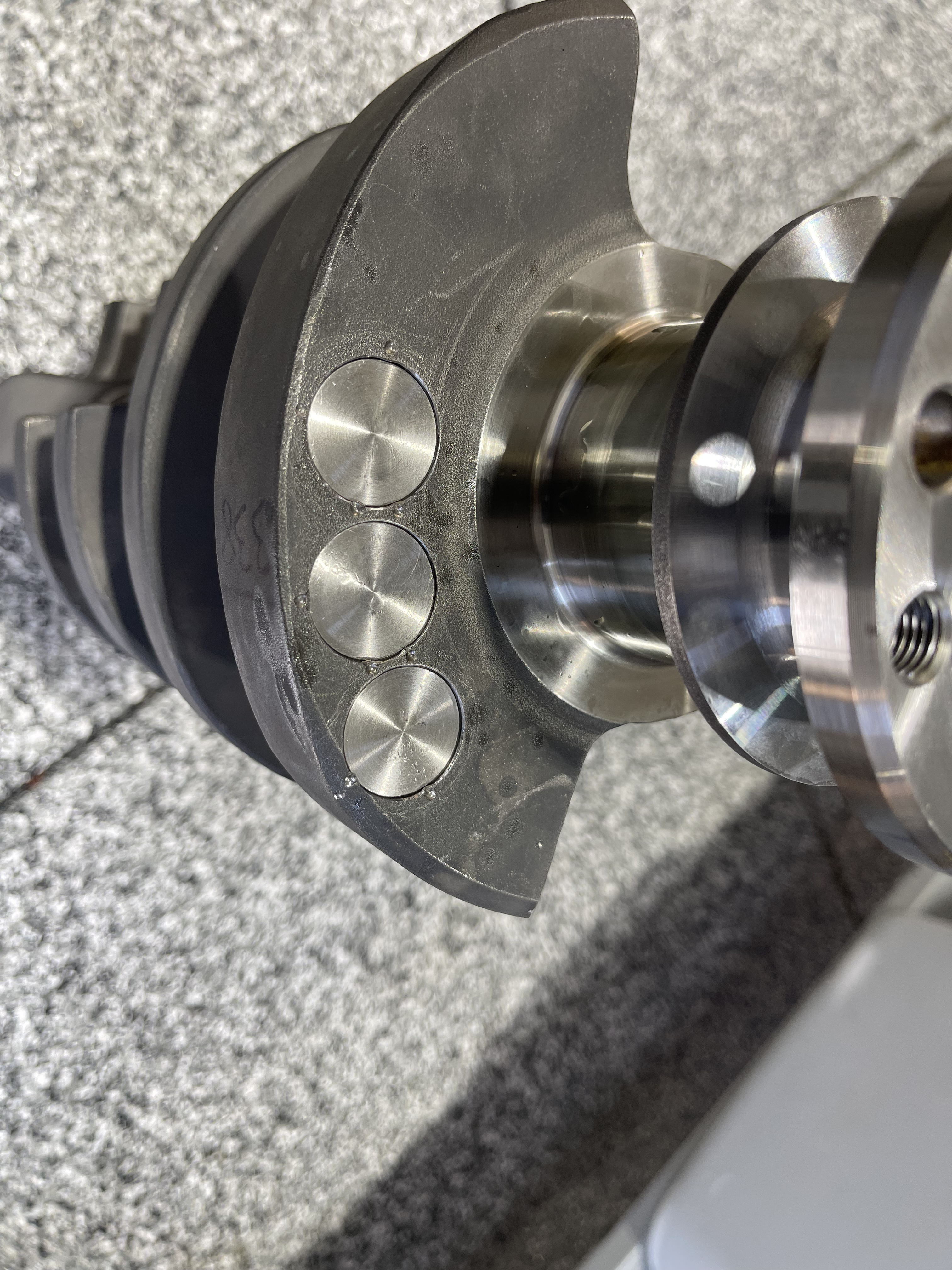
Balancing gets sold as a comfort feature — less vibration through the chassis. In a race or high-rpm street engine, I treat it as reliability work. Uncontrolled rotating and reciprocating imbalance hammers bearings, frets fasteners, fatigues parts, and turns carefully set clearances into moving targets. Smoothness is a side effect. Survival at rpm is the point.
What Imbalance Actually Does
Every revolution, imbalance creates cyclic loads the oil film and hardware have to absorb. At low rpm you might only feel a shake. At high rpm those loads climb fast. Main bearings see extra pounding. Timing chains and gear drives take abuse. Sensor readings get noisy. None of that helps an engine that is already living near its mechanical limits.
Mixing parts from different kits without rebalancing is a common way imbalance returns. Swap a damper, flexplate, or one piston and the assembly you thought was balanced may no longer be. Balance is a property of the assembled rotating and reciprocating package, not a permanent stamp on the crank alone — which is why I recheck whenever the package changes.
Rotating vs. Reciprocating
Rotating balance covers the crank and everything that spins with it. Reciprocating balance accounts for pistons, pins, rings, and the reciprocating portion of the rods. Both matter. A crank that is perfect on the stand can still shake the engine if bobweight assumptions were wrong for the parts that actually went in. That is why I treat balance as a package decision, not a crank-only checkbox.
I weight-match components as part of the process. Scattering piston weights across a set and calling the crank balanced is incomplete work. The goal is a package that agrees with itself — so the forces cancel the way the balance work intended, instead of fighting each other at every revolution.
Street Myths vs. Race Reality
On a mild stocker, factory balance may be adequate for how the engine is used. On a high-rpm or high-cylinder-pressure build, that margin shrinks. I do not balance everything the same way for every customer — but I also do not tell a race engine owner that vibration is just character. Character that eats bearings is still a problem.
Neutral balance versus external balance packages are another place people get surprised. Change the flywheel or damper strategy without understanding how the crank was balanced and you can reintroduce shake overnight. Spec the whole package before the balance work, then leave it alone.
Where Balancing Fits in a Build
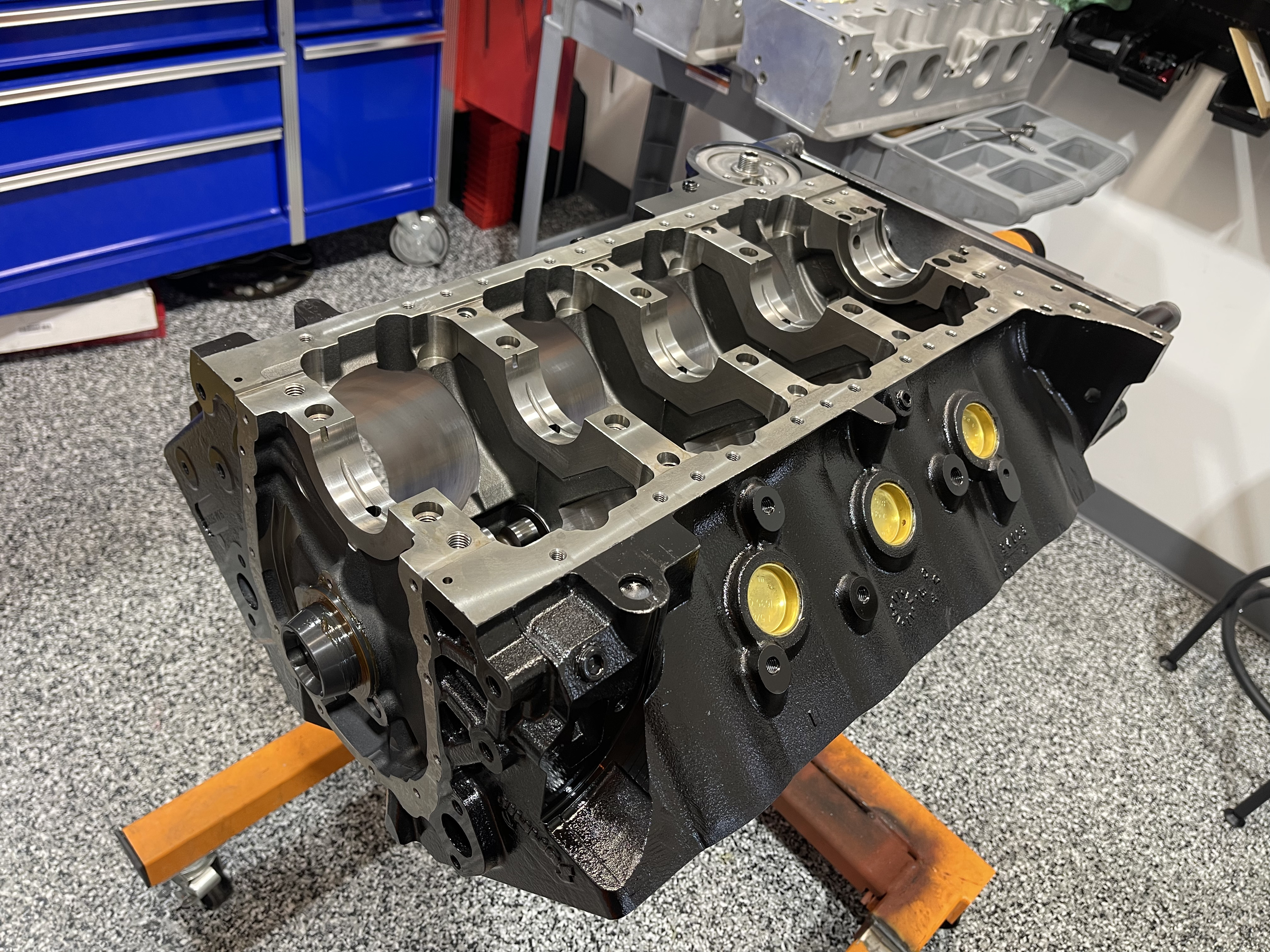
Balancing belongs after you know which parts are final — not before a last-minute piston swap. It pairs naturally with blueprinting: measure, match, machine, balance, assemble. Done in that spirit, balancing supports every clearance you set by reducing the vibration those clearances have to live with.
On complete engine builds, balancing is part of the measured assembly path I use — not an optional upgrade sticker. If the rotating assembly will see real rpm, it deserves to be in balance with the parts that are actually in the engine.