April 15, 20267 min read
High Performance Valve Jobs Explained
By Paul Ferreira
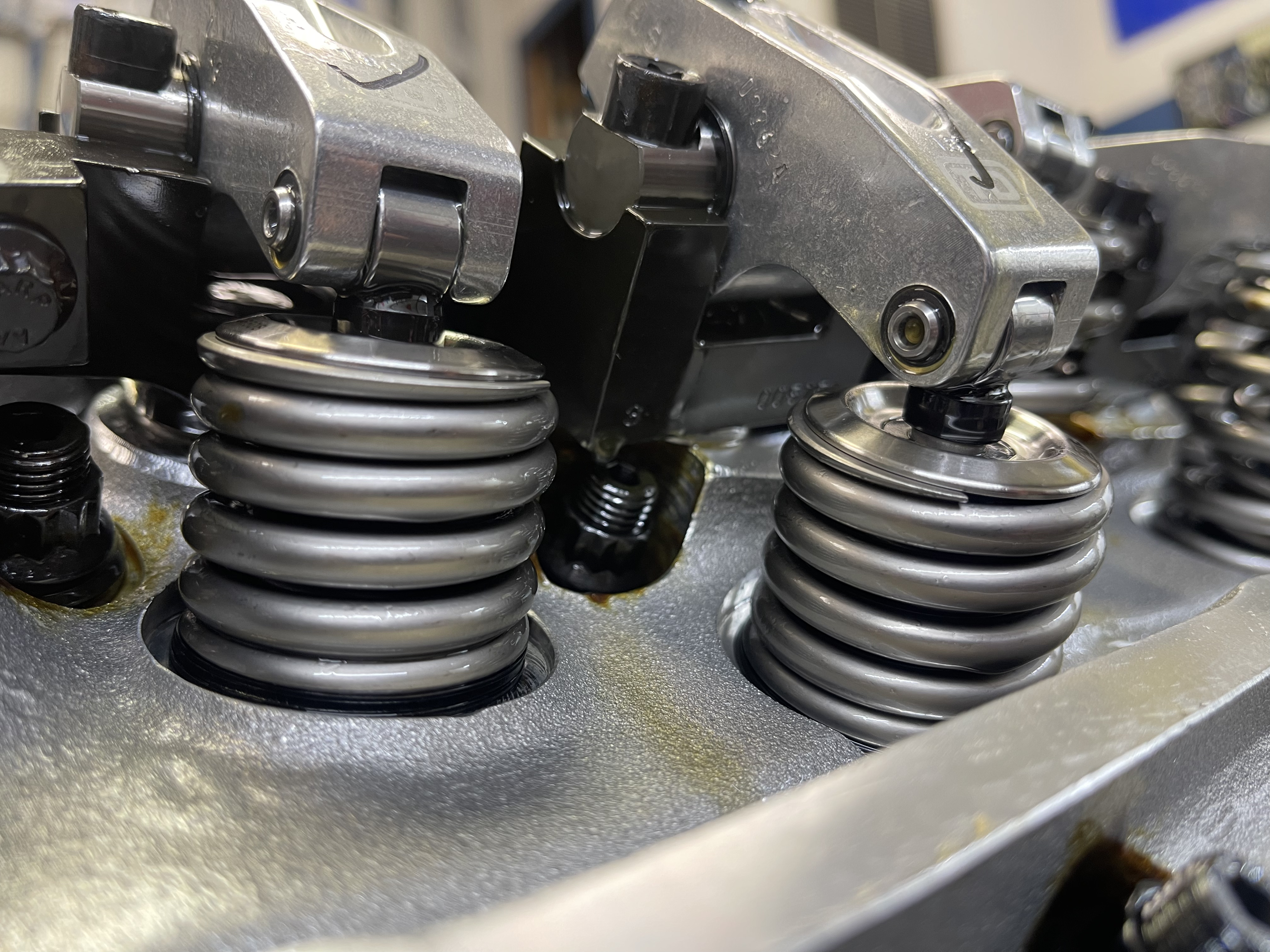
A high-performance valve job is often described as cutting seats and hanging new valves. That description is incomplete. Seat contact quality, concentricity to the guide, vacuum integrity, and spring setup decide whether the head seals under load and whether the valvetrain survives a season. Skipping any of those pieces is how you get a head that looks finished on the bench and still leaks or floats once the engine is under real rpm.
Seat Geometry Is Application-Specific
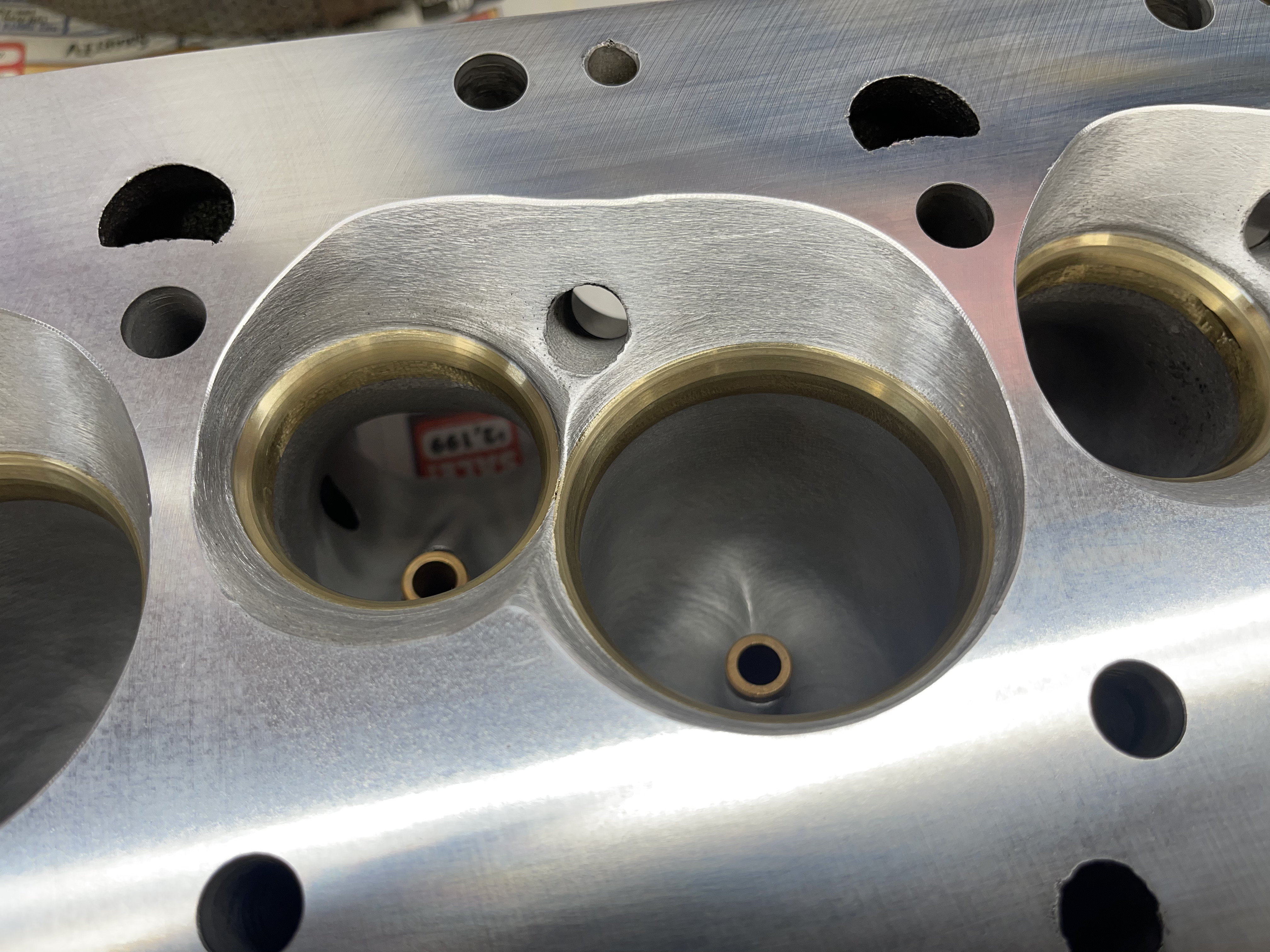
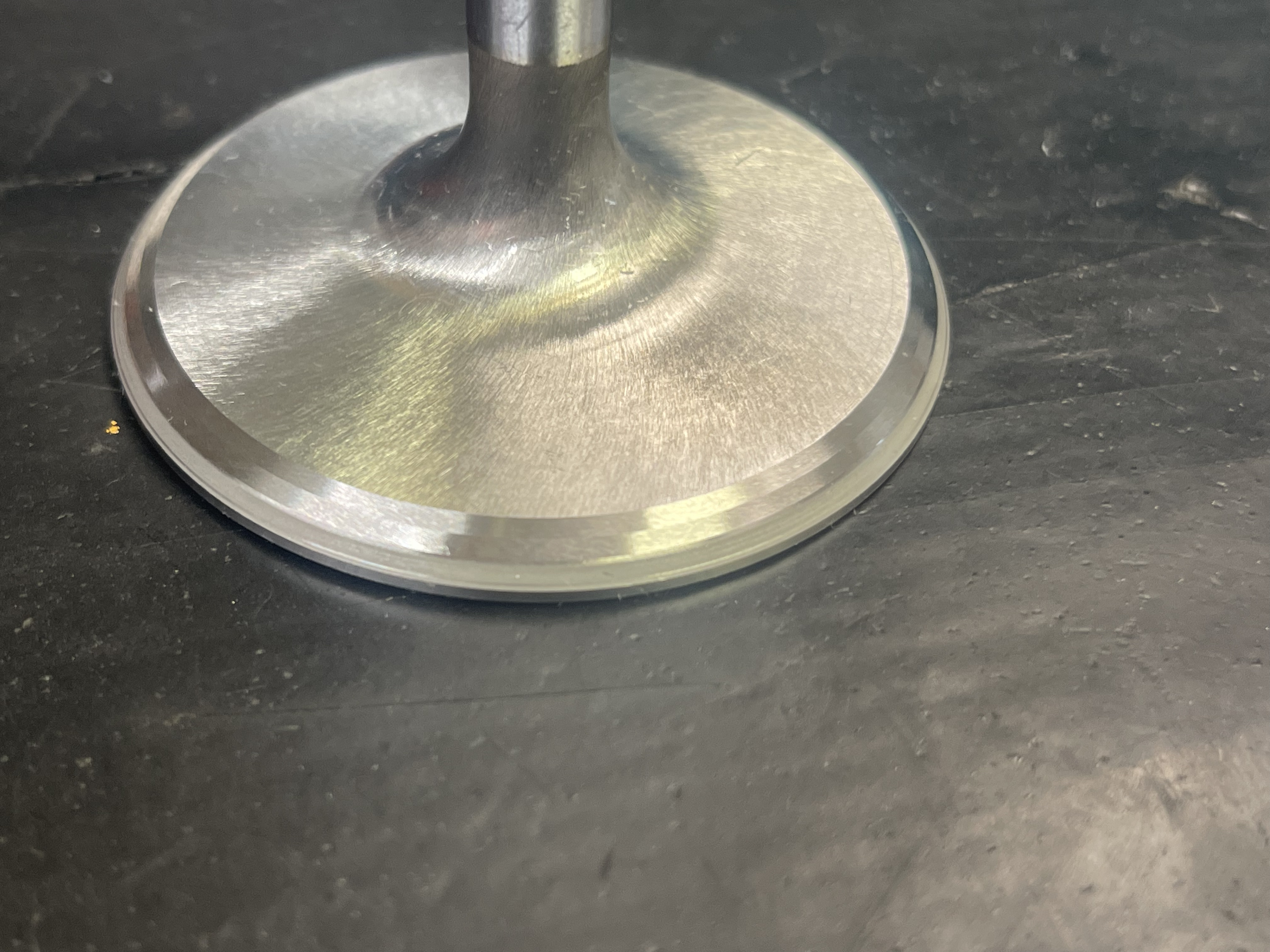
Seat angles and contact width are not one-size choices. A street head that needs longevity and heat transfer wants a different contact pattern than a race head chasing flow and fast seating. The valve face and seat have to meet cleanly across the intended width. Too narrow and the seat can pound or overheat. Too wide and you can hurt flow and trap deposits.
I machine seats for the application in front of me, then verify that the valve closes concentrically. An off-center seat will leak, wear unevenly, and eventually damage the face. Concentricity is not optional detail work — it is the difference between a seal and a slow leak that shows up as uneven cylinders.
Guides, Faces, and Vacuum Testing
Guide condition affects how the valve approaches the seat. Worn guides let the valve wander, which fights concentricity no matter how carefully the seat was cut. Faces need the correct angle and finish for the seat they will meet. After machining, vacuum testing is a practical check that the seal is real — not just visually plausible. I would rather find a weak chamber on the bench than explain a lean cylinder after the engine is dressed and in the car.
I treat vacuum testing as confirmation, not theater. If a chamber will not hold, I find out why before the head goes back on the engine. It is cheaper to fix a seat on the bench than to chase a misfire after assembly. The same mindset applies to checking for cracks or damaged seats that no amount of light cutting will save.
Spring Setup Completes the Job
Seats that seal still fail the valvetrain if spring pressure and travel are wrong. Every spring should be checked for installed-height pressure and coil-bind clearance against the cam and retainer package. Too little pressure and the valve floats. Too much and you accelerate seat and lobe wear. The setup has to match the rest of the valvetrain — not a catalog average for a different cam.
Installed height, retainer clearance, and seal clearance get checked as a system. A valve job that ignores springs is unfinished work, even if the seats look perfect under a light.
Cam Changes and Why the Job Gets Redone
A cam swap is one of the most common reasons a previously acceptable spring setup becomes wrong overnight. Lift, duration, and rpm targets change the loads the spring has to control. I re-evaluate installed height and pressure whenever the lobe package changes — even if the seats still seal. Seal and control are related, but they are not the same check.
What You Should Expect From the Process
A proper performance valve job leaves you with seats that seal, verified concentricity, documented spring pressures, and a head ready for the rpm and load it will see. That is the standard I work to. Anything sold as a valve job without those checks is a parts refresh, not a performance setup.
If your heads need that level of seat work and spring setup — measured against the cam you will actually run — that is what my high-performance valve jobs are built around.