February 10, 20267 min read
Common LS Engine Machining Mistakes
By Paul Ferreira
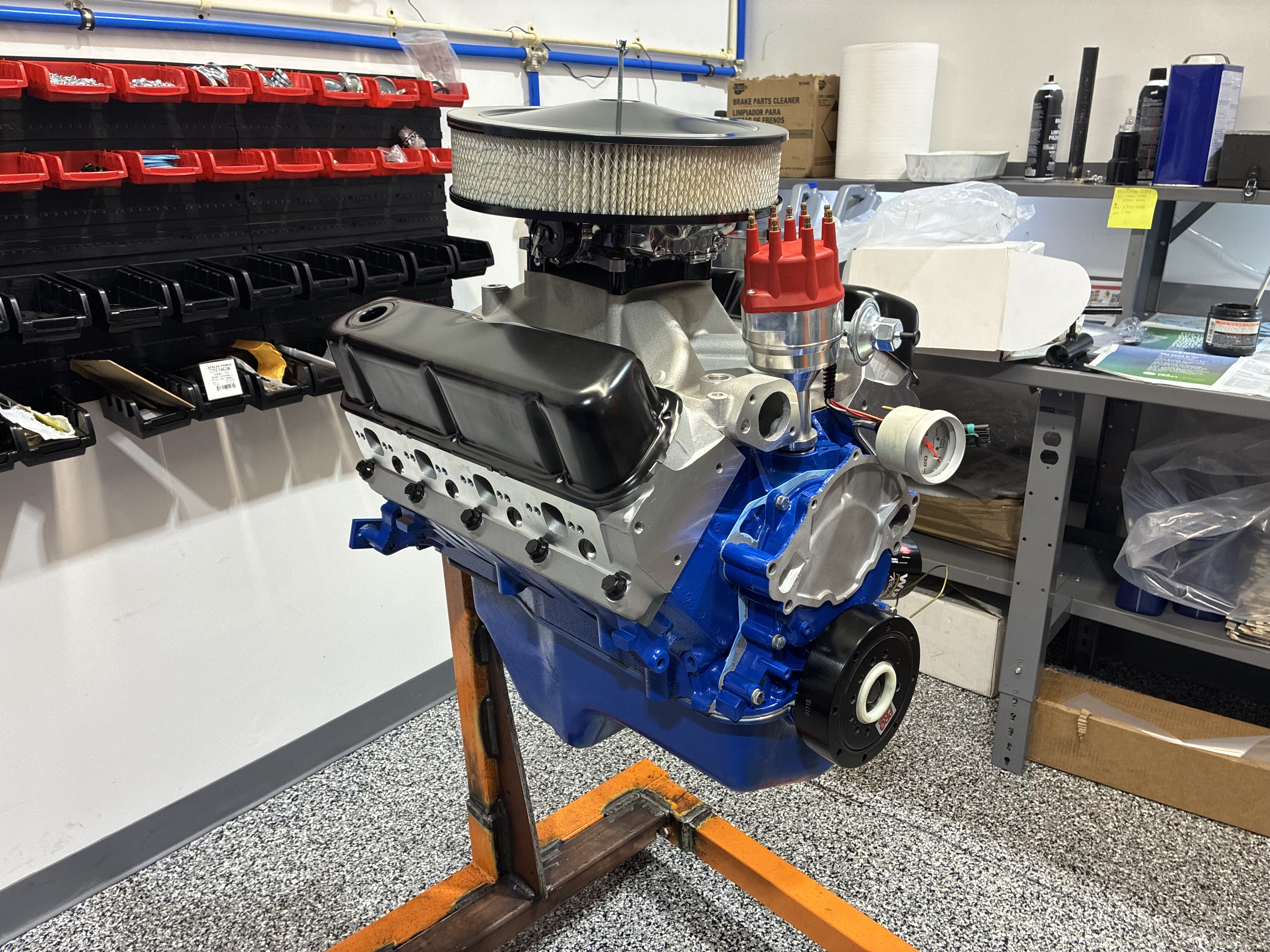
LS engines earned a reputation for making power with bolt-ons, and that reputation sometimes tricks people into treating the machine work as optional. I see the same mistakes repeatedly: mains that were never checked, decks that were assumed flat, bores finished for the wrong rings, and rotating assemblies balanced late or not at all. The platform is strong. It is not immune to sloppy machining.
Skipping Main Bore Alignment Checks
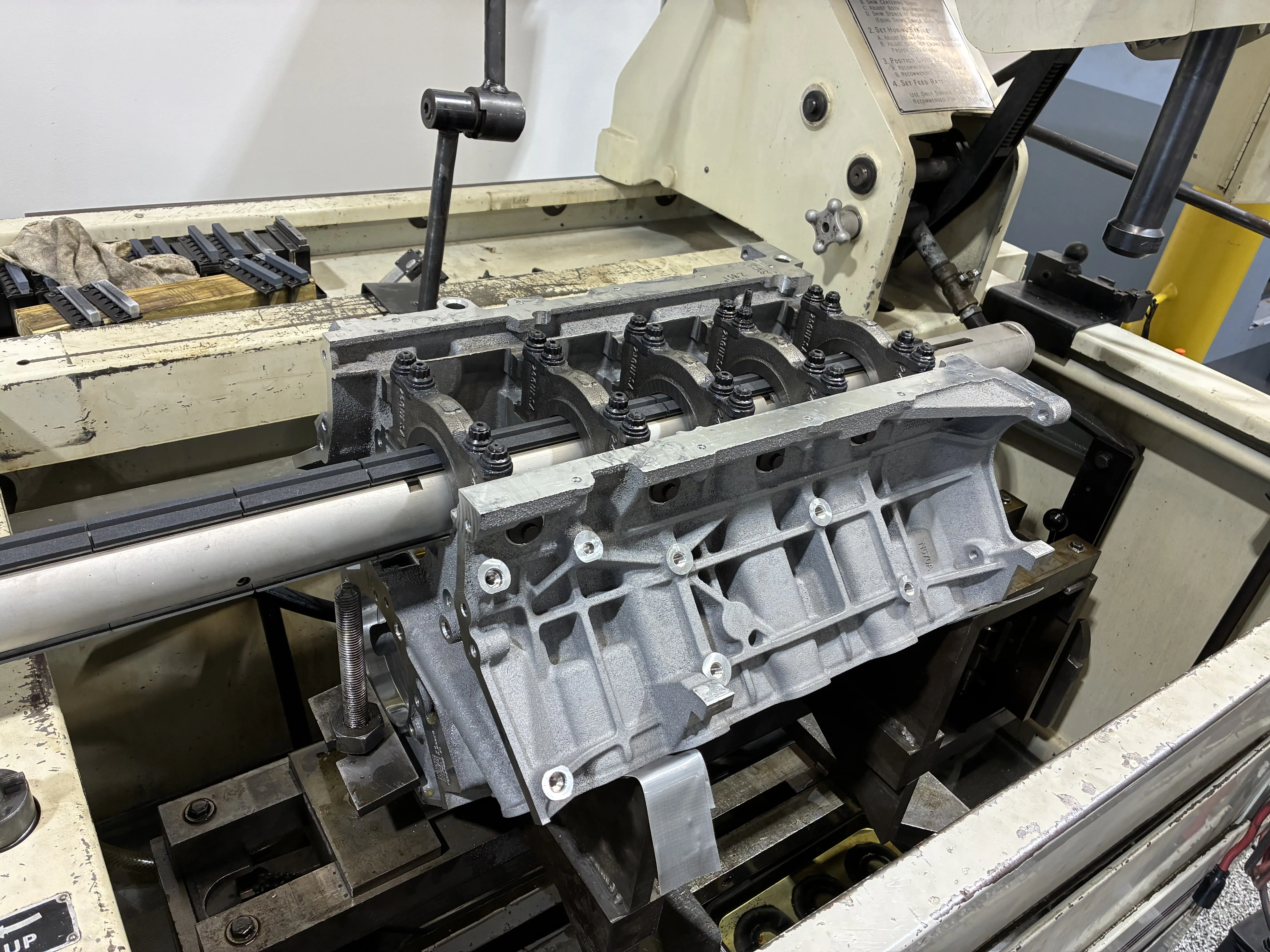
An LS block that has seen heat, previous rebuilds, or aggressive use can have main bore issues that a visual inspection will not catch. Assembling a crank into mains that are out of alignment loads the bearings unevenly. That can look like a mystery spun bearing later. Line work belongs in the plan when the measurements say so — not only after a failure.
I also see people chase aftermarket main caps without verifying how the bore sits after install. Caps change the equation. Measure again. Do not assume the old clearances still apply.
Deck and Bore Shortcuts
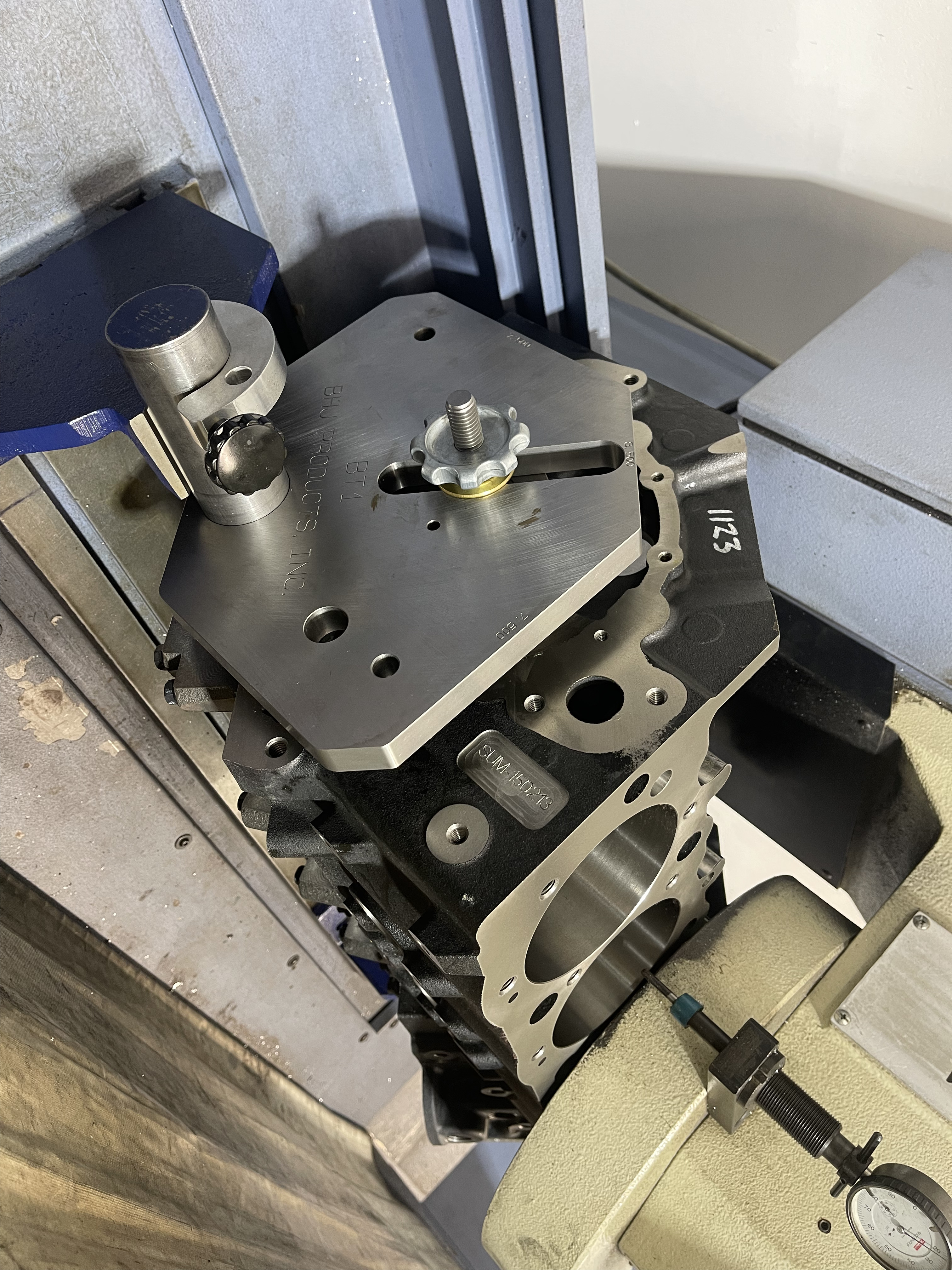
MLS head gaskets and modern ring packages want flat, consistent decks and bores that are round and correctly finished. A light cleanup hone over a tapered bore is not a rebuild. Neither is assuming the factory deck is fine because the engine still held compression on a cold leak-down. Race and boosted LS combinations punish those shortcuts quickly.
Another common error is finishing cylinders before the deck work is settled. Change the deck and you can change how the bore relates to the head gasket and chamber. Sequence matters on LS blocks the same way it matters on anything else.
Clearance and Balance Assumptions
Catalog piston-to-wall and bearing clearance charts are starting points, not final answers. Alloy, skirt design, boost, and fuel all change what the engine wants. I measure the parts in hand. I also see engines where balance was skipped because the rotating assembly was sold as a balanced kit — then someone swapped a damper, flywheel, or one piston and called it done.
Oiling is another place LS builds get casual. Restrictors, pump choice, and clearance all interact. Machine work that opens clearances without thinking about oil control is how you get pressure problems that get blamed on the pump alone.
Head and Fastener Assumptions
LS heads and fasteners get treated casually because the platform is common. Studs, torque angle, thread prep, and deck finish still decide whether the gasket lives. I see failures blamed on gaskets when the deck was indifferent and the clamp load was inconsistent. Machine work and assembly practices are partners here — neither rescues the other if both are half-done.
How I Approach LS Machine Work
Treat the LS like any serious performance engine: inspect, measure, machine in the right order, finish for the ring package, and document clearances. The platform rewards that discipline with reliability. It punishes the opposite with the same failures every other engine has — just sometimes at higher power levels.
If you are planning an LS build and want the machine work and assembly handled as one measured process, that is the approach behind the LS engine builds I put together here.