March 20, 20267 min read
Blueprinting a Race Engine
By Paul Ferreira
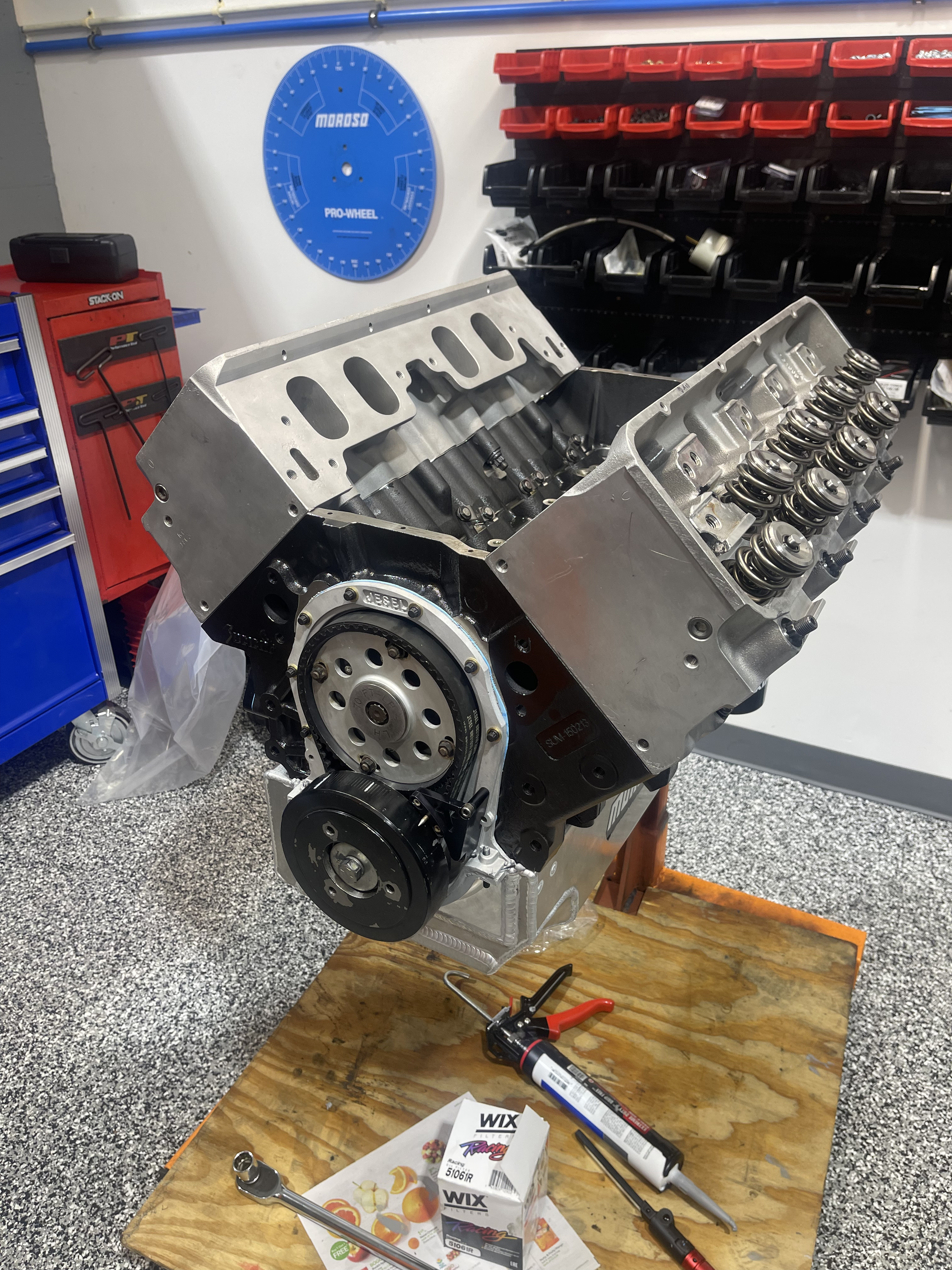
Blueprinting gets thrown around as marketing language. In the shop it means something specific: every critical clearance and dimension is measured, corrected if needed, and written down so the engine is assembled to a known plan. A race engine that was blueprinted can still fail — but it fails for reasons you can investigate. An engine assembled to catalog guesswork fails for reasons you invented.
What Gets Measured
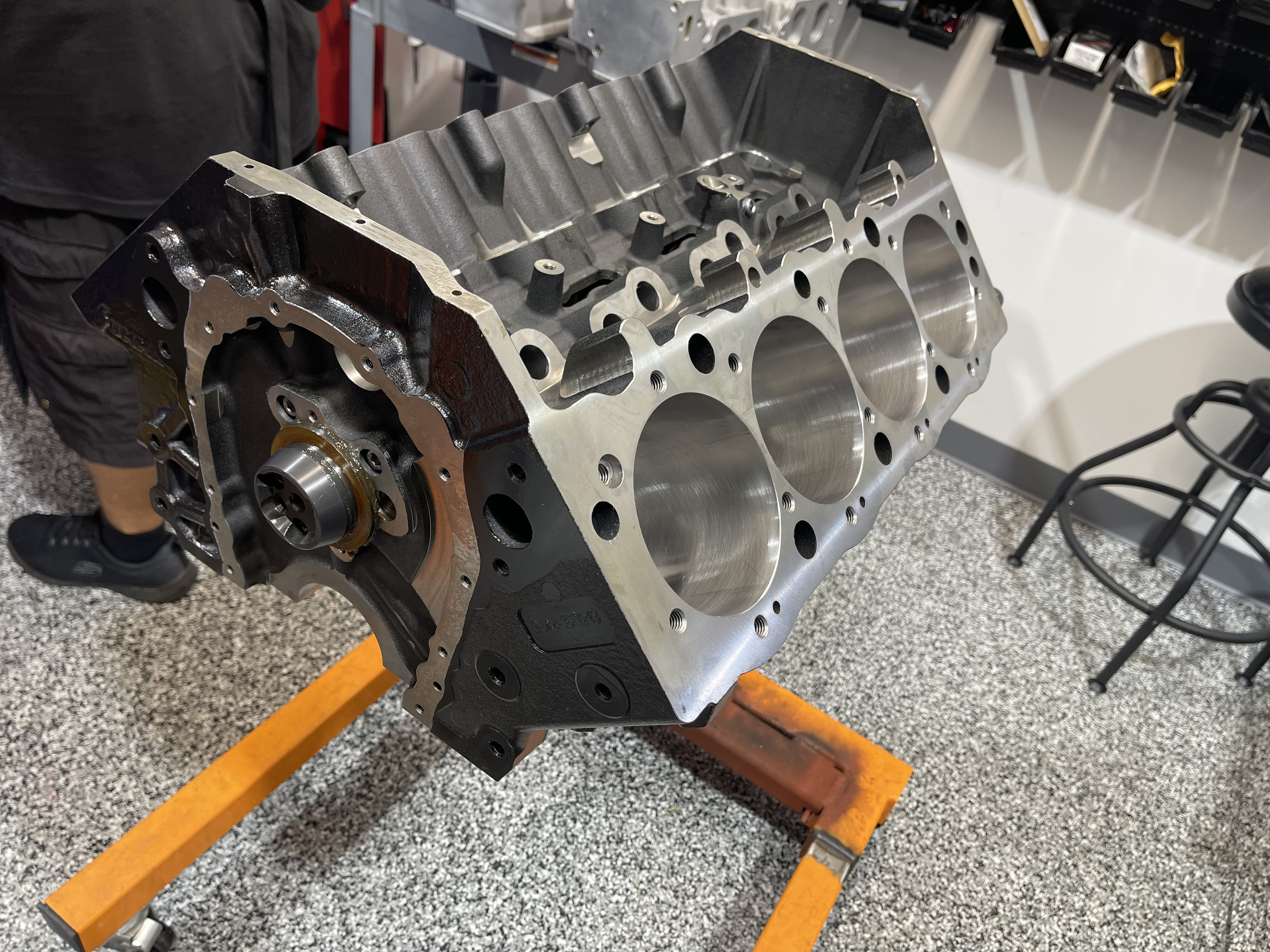
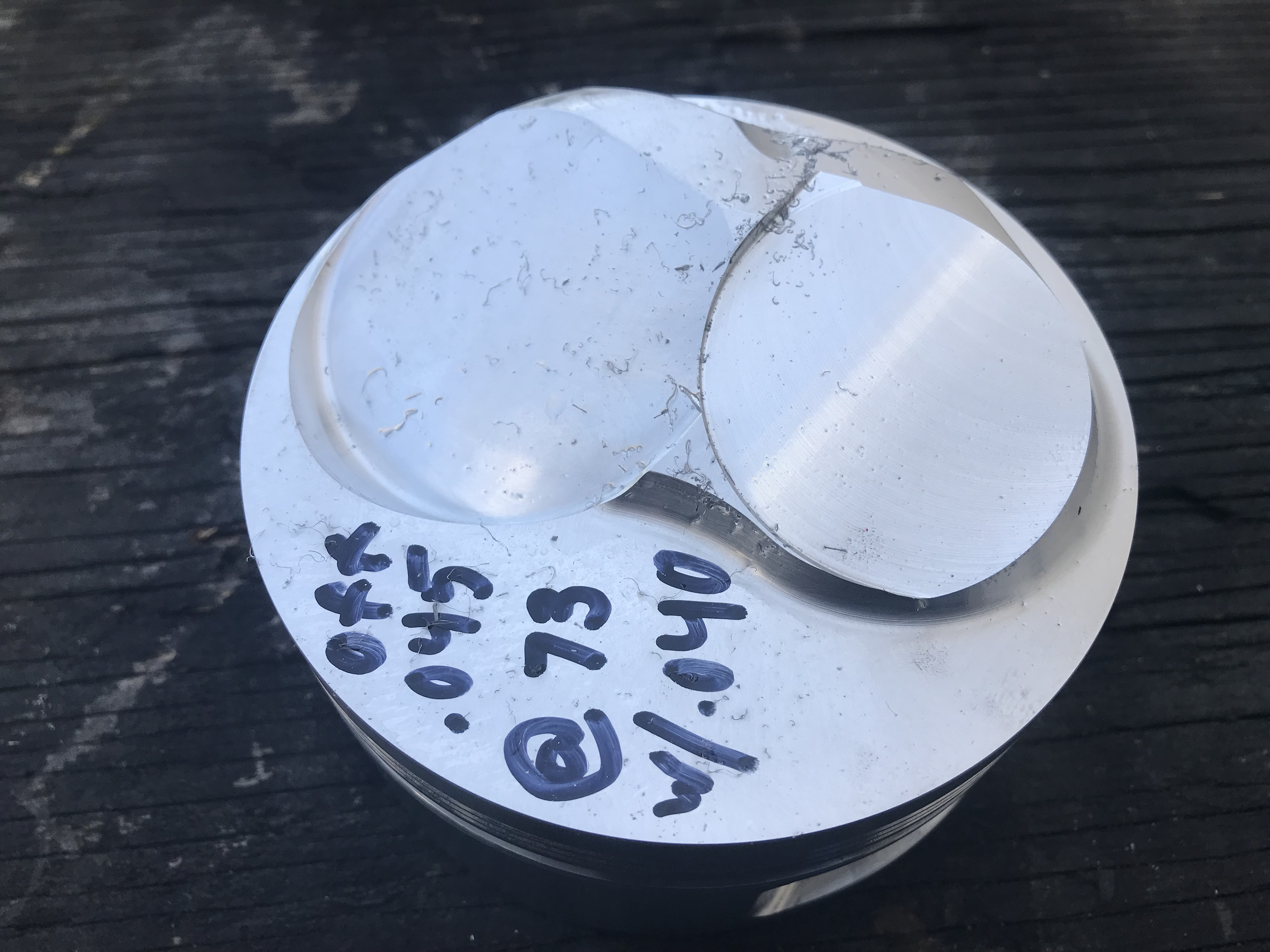
I start with the block geometry that affects everything else: bore size, main alignment, and deck. Then the rotating assembly: journal sizes, bearing clearances, rod and piston matches, ring end-gap, and piston-to-wall. On the top end, chamber volumes where they matter, valve-to-piston clearance, and spring pressures at installed height. The list is long because race engines punish loose assumptions.
Matching parts is part of blueprinting too. Pistons and rods that vary wildly across the set make balance harder and leave cylinders behaving differently. I would rather spend time evening a set than explain why one hole always runs hotter.
Why Race Engines Need Tighter Discipline
Street engines often forgive mediocre clearances for a while. Race engines see higher rpm, higher cylinder pressure, and less margin for oil film mistakes. Bearing clearance that is slightly tight can wipe a journal. Ring gap that is slightly tight can butt and score a bore. Spring pressure that is slightly low can float a valve into a piston. Blueprinting is how you keep those edges intentional instead of accidental.
It is also how you make power repeatable. Two engines built from the same parts list will not make the same power if one has scattered quench, uneven ring seal, and random spring loads. Consistency comes from numbers — and from refusing to assemble past a measurement that does not belong in the plan.
Documentation Is Part of the Work
If the numbers never leave the builder's head, they are not a blueprint — they are folklore. I want a sheet the owner can keep: what was machined, what clearances were set, and what spring pressures were installed. That sheet is useful for maintenance, for cam changes later, and for diagnosing a failure without starting from zero.
Blueprinting also forces honest conversations about the application. A drag combination and a circle-track combination do not want identical clearances or spring packages. The plan has to match how the engine will be used, not a generic race template.
Blueprinting Is Not Overbuilding
People sometimes confuse blueprinting with stacking every expensive option on a parts list. That is not the idea. Blueprinting can be conservative: set the clearances the application needs, verify the machine work, and refuse to assemble past a bad number. You can blueprint a tough, moderate-power engine. You can also throw money at parts and still skip the measurements. Only one of those approaches is disciplined.
When a full race build needs that measured approach from inspection through final assembly, that is the heart of the complete engine builds I do — blueprinting as process, not as a sticker on the valve cover.
Frequently Asked Questions
What does blueprinting an engine mean?
Blueprinting means measuring and setting clearances, geometries, and component matches to a defined specification for the application — then documenting those numbers. It is the opposite of assembling to generic catalog tolerances and hoping everything lands in the middle.
Is blueprinting only for all-out race engines?
Race engines benefit the most because they run closer to the edge, but any performance build gains reliability from real measured clearances. Street/strip engines still spin bearings and burn rings when oil clearance or ring gap is wrong.
What should be on a blueprint build sheet?
At minimum: bore sizes, bearing clearances, ring end-gaps, piston-to-wall, deck and quench-related numbers where relevant, spring pressures, and notes on machine work performed. Those numbers are what you maintain and diagnose against later.